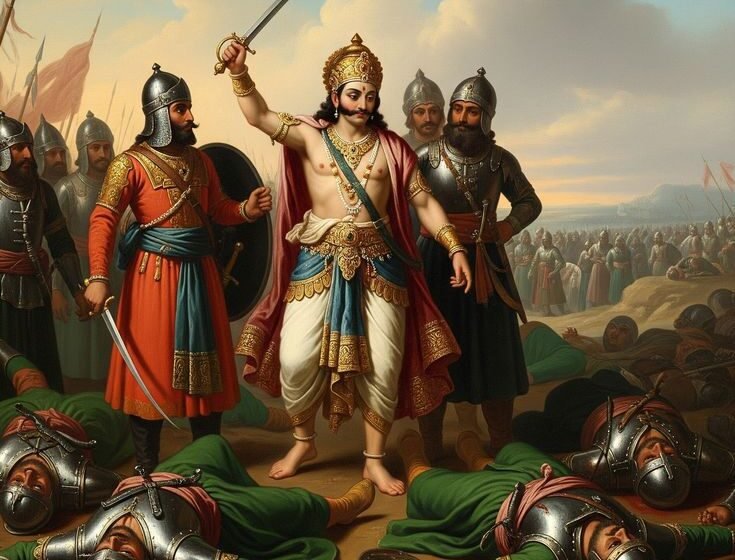
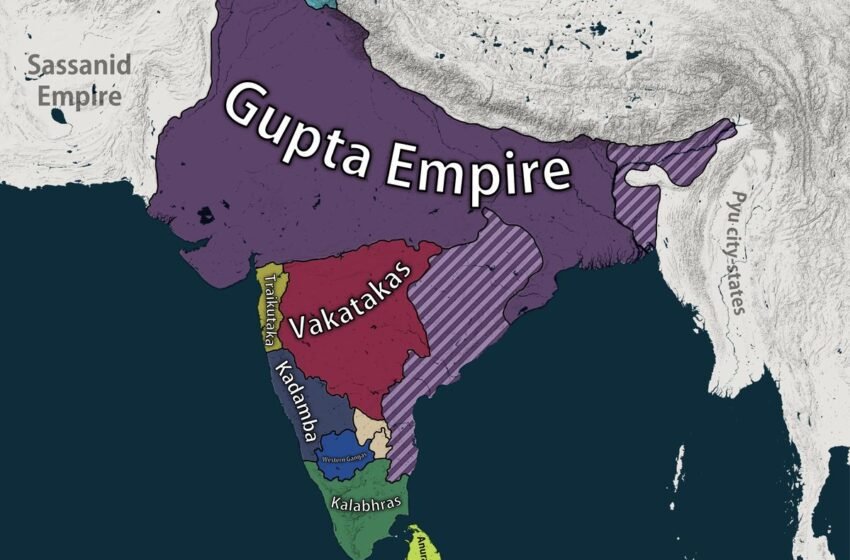
~ Debashri Mandal The Kadamba dynasty is considered to be the first indigenous ruling house of Karnataka, rising in the 4th century CE, to have established a powerful kingdom in the northwestern region of Karnataka. Mayurasharma (also called Mayuravarma), a Brahman from Talagunda in the modern Shivamogga district, was the founder of the Kadamba Dynasty. […]Read More
-Prachurya Ghosh There is something deeply inconvenient about Nilamādhaba. He does not arrive where power expects him.He does not stay where authority wants him.He does not behave like a god who can be scheduled, processed, or fully understood. And perhaps that is why the Jagannath tradition never erased him. It absorbed him, carefully, almost nervously—like […]Read More
-Prachurya Ghosh Bengali folklore does not imagine ghosts as visitors from another world. They are not strangers. They are not cosmic mistakes. They are outcomes. They rise from the same ground people worked, from the same rivers they crossed, from the same houses they cooked in and locked up. In Bengal, belief is not abstract […]Read More
-Oishee Bose Beginnings that resist neat origins The history of the Siddis does not begin at a single point, nor does it move in a straight line. It arrives in fragments, through remembered journeys across the sea, through ritual lineages tied to shrines, through occupations repeated across generations, and through silences in official archives. For […]Read More
-Oishee Bose Situating the problem The Vanara Sena is in an especially unsteady position among the many groups inhabiting the Rāmāyaṇa heritage. In popular perception, they resemble monkeys; in devotional stories, they serve as semi-divine creatures; and in scholarly literature, they swing between being interpreted as mythical beings, forest tribes, or symbolic characters. This volatility […]Read More
-Aritra Biswas The World of the Vedas In the olden days when rivers were as divine as gods, and hymns the law and doom of worlds, the tribes of early India lived by bravery and kin and glory. This is a period which was archived in the religious texts of Rigveda, and a period of […]Read More
~ Debashri Mandal Also known as Kaiwara Thathaiah, Kaivara Narayana Tatayya, or Sri Yogi Narayana Yatindra, “Yogi Narayana of Kaiwara” was considered to be a renowned 18th– to 19th-century saint, poet, and mystic born in 1726 AD in the village of Kaiwara (then in Kolar, now Chikkaballapur district) to Kondappa and Muddamma, in Karnataka. Earlier, […]Read More
-Oishee Bose The question of who wrote the Shilpa Shastra is often framed as a problem of authorship. In practice, however, it is far more revealing to treat it as a problem of knowledge itself: how it was produced, transmitted, fixed, and authorised in premodern South Asia. Once approached from this angle, the question quickly […]Read More
-Oishee Bose The story behind a Japanese-named railway station in the heart of Bengal In the tidal labyrinth of the Hooghly River, not far from Kolkata’s industrial fringe, there is a small cluster of ghats and a modest memorial that carry a name that sounds incongruous in Bengali speech: Komagata Maru. The place-name, attached to […]Read More
-Prachurya Ghosh The emergence of the bhadralok—a Western-educated, upper-caste Hindu elite—in colonial Bengal represented a profound transformation in the region’s social, cultural, and political landscape. Originating primarily from Brahmin, Kayastha, and Baidya castes, this group rose to prominence under British colonial rule through access to English education, professional employment, and administrative authority. Initially associated with […]Read More