FROM TEMPLES TO STAGES – The evolution of indian classical dance

~Tanushree Wadodkar
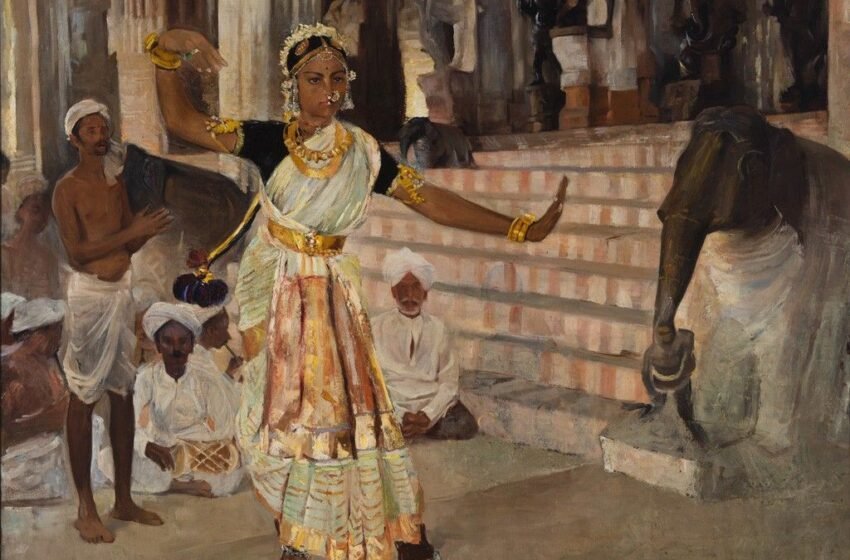
Indian dance forms are more than just performances. They are a manifestation of our cultural shaped over centuries. What we see today on stage, under spotlights and in front of audiences, began in a very different setting. These dances were once part of temple rituals, performed as offerings, where movement became a form of prayer rather than entertainment. Over time, dance began separating from devotion due to social changes and political influences. There were also periods when these dance forms were neglected and seen as immoral. Today, dance forms such as Kathak and Bharatnatyam are admired worldwide. The evolution of these forms spans over hundreds of years and showcases the rich culture and heritage of our country.
Origins in temples
The roots of Indian classical dance lie in temples, where performance was closely linked to devotion and served as a way of expressing faith. Performers dedicated their art to god, often narrating stories from mythology through dance.
An important aspect of this was the devadasi tradition. Devadasis were women dedicated to the service of the deity, especially through dance and music. During the Vedic period, dance was mentioned as a form of worship. Many dance forms, like Bharatnatyam and Odissi, began in temples. The earliest depiction of dance is a bronze statue of a dancing girl found in the Harappan Civilisation. Archaeological evidence of dance has been found in a cave painting from 9,000 years ago.
Meaning through movements
Indian dance forms have a language of their own. It combines rhythm, movements, footwork, hand gestures, and expressions to convey emotions and ideas. Hand gestures, known as mudras, are used to convey objects, actions, and feelings.
Bharatnatyam uses footwork, mudras, and abhinaya (facial expressions). Kathak emphasises graceful movements and expressions. Odissi is known for its elaborate costumes.
This ability to communicate without words is what makes Indian dance unique. It requires not only physical skill but also emotional understanding of the story being performed. A dancer does not simply perform. They interpret, express, and connect.
Medieval period
During the medieval period, dance moved from just temples to royal courts and cultural centres. Patronage from kings and regional rulers played a key role in sustaining these art forms. Dance was now performed not only as devotion but also as a cultural expression.
In North India, dance forms like Kathak evolved within royal courts, especially under later Mughal influence. Dancers did elaborate performances in front of the king and the court. In the South, temple traditions continued, but they also adapted to changing social and political conditions.
This period marks an important transformation. Dance was no longer confined to sacred places and became more performative. The royal support helped in the preservation and development of these dance forms.
Colonial era
The colonial era was a difficult phase in the journey of indian classical dance. British rule brought with it a new set of values shaped by Victorian morality. These ideas viewed many traditional practices of India through a rigid moral lens, often misunderstanding and misrepresenting them. The British also focused on promoting their customs and Western ideas. Temple rituals, including the devadasi tradition, faced decline, and dance began to be seen as immoral and inappropriate. Dancers began to be viewed as prostitutes and lost their social standing. This period disrupted centuries of tradition and created a gap between art and society.
Post-independence revival
In the early twentieth century, efforts were made to revive and restore these traditions. Artists, scholars, and reformers recognised their cultural value and worked to bring them back into public life. Artists like Rukmini Devi Arundale played an important role in this. She founded the Kalakshetra Foundation and popularised Bharatnatyam among the people.
Dance forms like Bharatnatyam and Kathak began to be performed on stages. Efforts were made to remove the stigma attached to them and to present them as classical art forms rooted in our culture and heritage. Plays, like Dance Like a Man by Mahesh Dattani, show how dance was viewed as improper even after independence and the gender stereotypes attached to it.
Dance in modern India
Today, Indian dance exists in a space that is deeply traditional yet constantly evolving. It is performed on global stages, taught in academies, and shared across digital platforms. Dance forms, like Kathak, are often fused with contemporary styles to create a kind of choreography referred to as semi-classical.
Dance today is also tied to cultural identity. Every time a person wears ghungroo and dances, they are also engaging in a cultural practice. Learning and performing classical dance is not only about technique, but also about understanding tradition, emotion, and meaning. It becomes a way of preserving heritage in a world that is constantly moving forward.
The influence of Bollywood has brought dance into everyday life, making it more accessible and widely recognised. Film choreography often blends classical elements with modern styles, reaching a much larger audience, such as in longs like Mohe Rang do laal and Ghar More Pardesia. This has helped keep dance relevant, though sometimes at the cost of simplifying its depth.
The journey of Indian dance forms has been a long one. From temple rituals to royal courts, through colonial disruption and modern revival, it has adapted to every phase of history. Each phase has left its mark behind and has shaped not only where dance is performed, but also how it is viewed.
In the present day, this journey continues. Classical forms like Bharatanatyam and Kathak remain rooted in tradition, carrying forward systems of expression that have been preserved over centuries. Whenever we think of dance, we must also remember the people who have kept it alive: the devadasis, the court dancers, and all those who remained loyal to their art even when the world viewed them as immoral.
What makes Indian dance significant is not just its history, but its ability to remain meaningful in a changing world. It continues to connect individuals to their culture and empower the people of our country to support the arts.