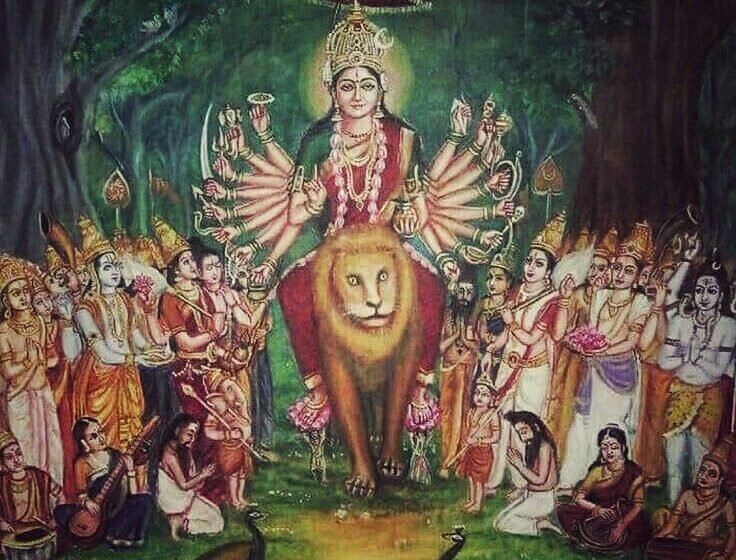
Goddess Jagadamba, honoured as the Universal Mother, is well-known in Hindu spirituality and mythology. The meaning of her name reflects her unlimited divine essence, where “Jagad” denotes the universe and “Amba” denotes mother. She is the primordial creative power, maternal to all creation with limitless love and protection. Labels of Goddess Jagadamba such as Parvati, […]Read More
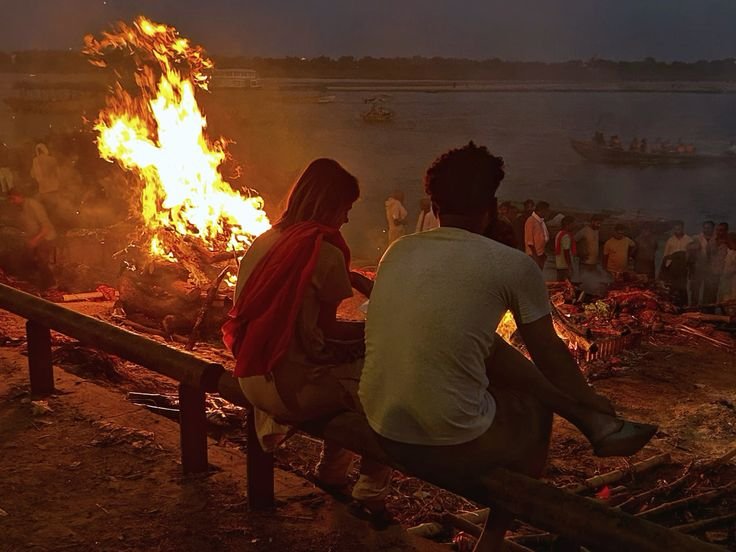
Manikarnika Ghat: The Threshold of Life and Death in Varanasi
Varanasi, Lord Shiva’s timeless city, is esteemed as one of the holiest places for the Hindus. Among the innumerable ghats alongside the blessed Ganges River, none bears greater spiritual significance than that of Manikarnika. Not just a site of devotion, but there exists a space that blurs the line between life and death, with attitudes […]Read More
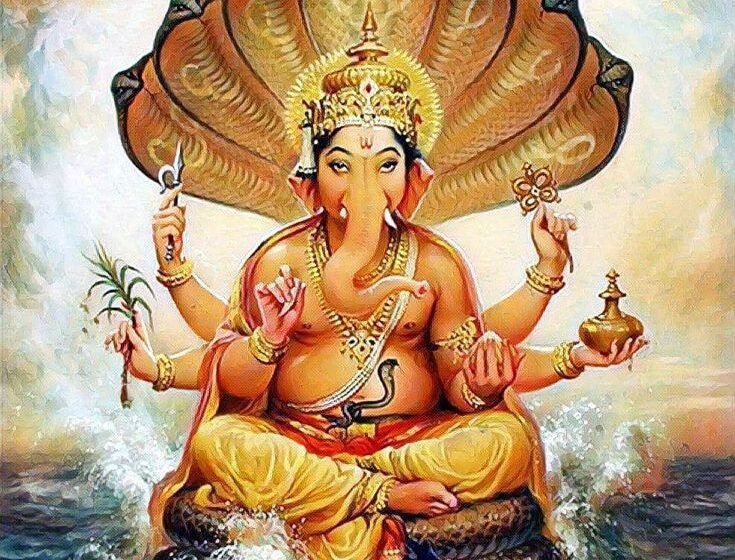
Ganesha’s Role in Indian Culture Beyond the Elephant Head
Introduction: Who Really Is Ganesha? Ganesha! The first name we call upon before starting anything new—be it a business, a wedding, or even an exam we forgot to study for. With his elephant head, rotund belly, and adorable mouse companion, Ganesha is hard to miss. But here’s the thing—he’s more than just the “god who […]Read More
Garuda Purana’s Teachings on Virtue, Sin, and the Cycle of
The Garuda Purana, one of the eighteen Mahapuranas of Hinduism is a revered Hindu scripture that provides a profound understanding of the world, human life, and the path to spiritual liberation. Narrated by Lord Vishnu to the celestial bird Garuda, the Purana deals with a variety of topics including cosmology, mythology, Dharma, karma, and the […]Read More
Narak Chaturdashi Celebrations in Goa: An Ancient Tradition
Narak Chaturdashi, or Chhoti Diwali, has a special place in the elaborate cultural and religious festivities of Goa. It is celebrated on the eve of Diwali, signifying the victory of good over evil. The important celebration is found, yet the manner of celebrating it in Goa is unique and deeply tied to local lore and […]Read More
Kali Puja, also called Shyama Puja is considered to be one of the largest festivals to worship the goddess Kali, whom people in the Hindu faith revere as an embodiment of ferocity. It mostly takes place in the eastern region, such as in West Bengal, Assam, Tripura and Odisha, almost coinciding with the Diwali celebrations […]Read More
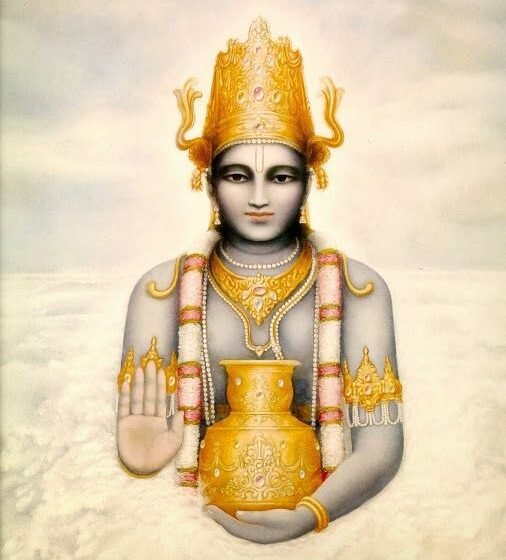
Dhanvantari is the god of Ayurveda and is highly respected in Hindu mythology and Indian culture. He is mostly worshiped during Dhanteras, the festival that marks the beginning of Diwali, prosperity, and good health. Since he is the celestial healer and the god of health and medicine, Dhanvantari manifests the principles of healing and rejuvenation. […]Read More
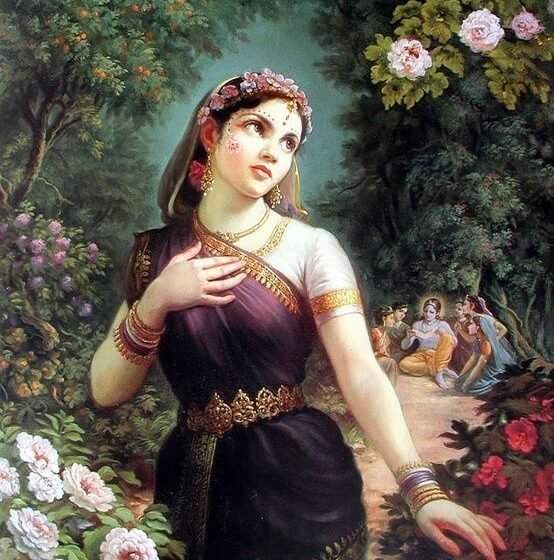
Divine Feminine Power in the Brahma Vaivarta Purana: Prakriti and
One of the eighteen major Puranas, the Brahma Purana is an important text in the Hindu tradition, especially by the Vaishnavas, who revere it for its devotion to Lord Krishna and Radha. The text is famous for accepting Krishna as the most supreme being and asserting that all gods such as Vishnu, Shiva, Brahma, Ganesha […]Read More
The Churning of the Ocean: Kurma Purana’s Fascinating Take on
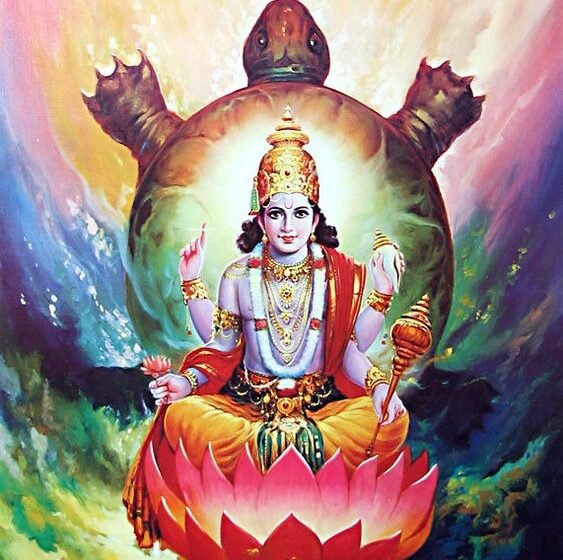
The Kurma Purana is one of the eighteen Maha Puranas and is important for its teachings on Hindu cosmology, philosophy, and devotion. Named after the Kurma incarnation of Lord Vishnu, this Purana is revered for its contribution to religious teachings, temple rituals and rituals. With its unique mythological narrative and spiritual significance, the Kurma Purana […]Read More
Myths, Legends, and Science: Understanding the Significance of the Ganga
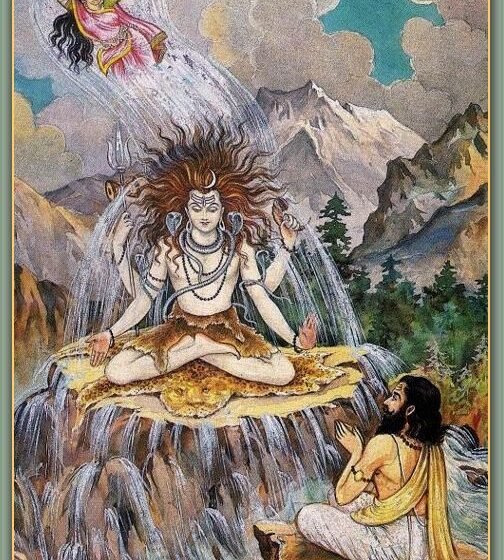
The Ganges is known in India as more than just a river; It is the lifeblood of the nation. India and Bangladesh have for centuries been considered natural and divine, spanning 2,525 km, serving as a vital source of water for millions of people The significance of the Ganges goes far beyond its proximity; It […]Read More