Suka, is a Sanskrit word for parrots. In Hinduism, Suka plays a pivotal role as one of the prominent and renowned symbols of Hinduism. The earliest mention of Suka or the parrot can be traced back to the ancient scripture of the Rigveda somewhere around 1500-1200 BCE. However, the word or rather the name Suka […]Read More
Tags : travel
Fragrant Heritage: Exploring the Art of Traditional Indian Ittar
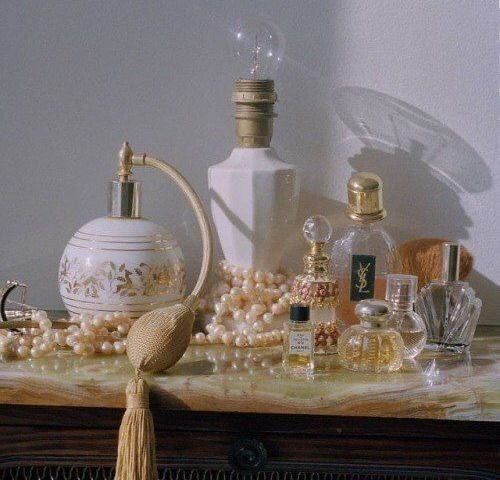
In the rich tapestry of human history, few artifacts evoke the senses and stir the imagination quite like ittars – the ancient fragrances that have woven their way through the corridors of time, leaving an indelible mark on cultures across the globe. From the mystical realms of ancient India to the opulent courts of the […]Read More
Beyond Borders: Exploring Regional Varieties in Perfumery
Perfumery, a delicate fusion of artistry and science, serves as a window into the rich tapestry of cultural heritage spanning across France, Italy, and the Middle East. In this exploration of olfactory delights, we embark on a journey through centuries of tradition, innovation, and sensory allure. From the storied houses of Chanel and Guerlain in […]Read More
Rediscover the Ancient Game of Chaupar: A Timeless Journey of
I think everyone would agree that Ludo was the game that Indians played the most during the COVID lockdown. Remember, Ludo King. While not much is known about the game’s past, we have all played and continue to love it. Allow me to take you on Ludo’s or Chauapr’s journey. Chaupar, chopad, or chaupad, is […]Read More
Rediscovering Pachisi: The Timeless Indian Board Game that Inspired Parcheesi
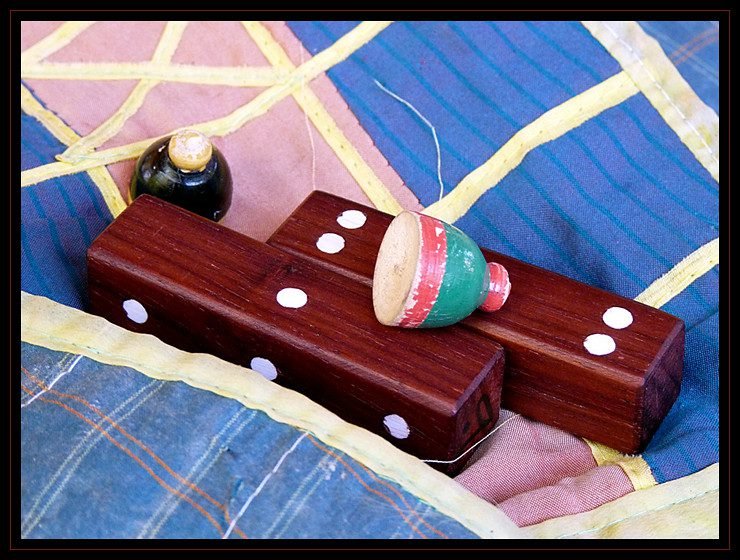
Pachisi is a cross and circle Indian board game that is played between two to four people. Traditionally it is played on a cross shaped cloth, however, any surface may be used, including a drawing or engraving on the floor. The name of the game finds its roots in the Hindi word “Pacchis” meaning twenty-five. […]Read More
Dice games have been played in India since the Shramanic period, with game boards and pieces discovered in the Indus Valley civilisation. Mohenjo-daro, Harappa, Lothal, Kalibangan, Alamgirpur, and other sites have discovered ivory and bone artifacts of various shapes and sizes, some with dots and regarded as “dice” and/or “gaming pieces”. Dice playing is also […]Read More
Perfume Empires: Colonial Expansion and Fragrance Exchange
In the grand tapestry of human civilization, few elements have left as profound an impact as the narrative of spices and perfumery. From ancient trade routes that spanned continents to the colonial conquests that reshaped economies, the pursuit of exotic scents has woven itself into the fabric of cultures, societies, and commerce. Let us embark […]Read More
Moksha Patam: The Ancient Game of Snakes and Ladders with
If I were to ask you which was the first board game you owned, most of you would say Snakes and ladders (Saanp-Sidhi). However, we are not aware of the origin, journey and the deep ingrained meaning of this wonderful game. Well not anymore! The game of Snakes and Ladders is a board game that […]Read More
Purna Kumbha literally translates into a full pot or a full pitcher. It is a brass pot or vessel filled with water, who’s mouth is decorated with mango leaves, coconut and flower offerings, and the body of the vessel sometimes has a metal carving of a goddess’s face or the symbol of the sun god […]Read More
Exploring the Ancient Strategy Game: A Deep Dive into Ashtapada
Ashtāpada, refers to the game’s 8×8 chekered-board. Patanjali mentioned this interpretation in a Mahābhāshya text from the second century. Literally translating, Ashtapada translates to “eight-legged” in Sanskrit. The Sutrakrilānga, an early Brahman book, explicitly denounced the game. The Vinayapitaka, a canonical Buddhist literature from the fourth or third century BC that introduces the Buddha’s Dialogues, […]Read More