The Mothers of Indian Mythology – The women who raised warriors, kings, and Gods

-Tanushree Wadodkar
Mythology and history, more often than not, remember the figures who stood at the centre. The ones who fought battles, ruled kingdoms, and commanded armies. We don’t usually look beyond them. We don’t see the person who shaped them. The mother whose love gave them the strength to be the person the world respected and remembered.
When we think of Ramayana, we think about the exile, the battle with Ravana, and the victory of Dharma. When we think of the Mahabharata, we think about the Kurukshetra War and the destruction that followed. We don’t think about Kaushalya’s silent strength or Gandhari’s pain. A mother’s influence begins way before any major event. Long before wars were fought and destinies unfolded, these women were shaping the minds and values of the people who would one day become legends. Some taught their children righteousness, while some taught them sacrifice.
Behind every celebrated hero stood a mother who endured fear, separation, uncertainty, and grief in ways that were rarely ever acknowledged. Many times, they watched helplessly as fate and destiny tested their children, and yet continued to stand by them with fierce love.
Kunti
Kunti remains one of the strongest maternal figures in Indian Mythology. From having to abandon Karna to raising five sons after Pandu’s death, her life was paved with hardships and sacrifice.
Kunti guided the Pandavas through exile, humiliation, and uncertainty. She taught them resilience and, most importantly, unity. She taught them to always stick together and follow the path of dharma.
One of the most heartbreaking aspects of her story is the pain and guilt she carried regarding Karna. She knew the truth about Karna throughout much of the Mahabharata, yet revealed it only when war had already become unavoidable.
Kunti’s life was complex, tragic, and yet filled with strength and love. Love, fear, sacrifice, and regret existed side by side within her story.
Gandhari
Mother to a hundred sons, Gandhari suffered more pain and loss than anyone else. Married to the blind king Dhritarashtra, Gandhari chose to blindfold herself for life. She loved her sons deeply, and yet, for her, motherhood existed in a place poisoned with anger, rivalry, and blind ambition. She watched Duryodhana’s pride and anger intensify over the years, understanding the danger it carried with it while remaining unable to stop it completely.
During the Kurukshetra War, Gandhari’s grief turned into something immeasurable. One by one, she saw her sons die on the battlefield. She watched as she lost all pieces of her heart, but could do nothing except helplessly watch. Her curse to Krishna comes from a place of intense pain and loss.
Mandodari
I find Mandodari’s story quite similar to Gandhari’s: two mothers who lost their sons to war. Mandodari is most often remembered as the wife of Ravana, but her story also reflects the grief and helplessness of motherhood during destruction.
Remembered for not just her beauty, but more so for her intelligence and wisdom, Mandodari warned Ravana multiple times. She pleaded with him to return Sita and told him that this would lead to Lanka’s destruction. But Ravana paid no attention to her advice.
As war raged on in Lanka, Mandodari witnessed the deaths of her sons and the collapse of the kingdom around her. Her position as queen did not protect her from loss. She watched, powerless and helpless, as she witnessed her husband’s pride lead to the death of her children.
Devaki and Yashoda
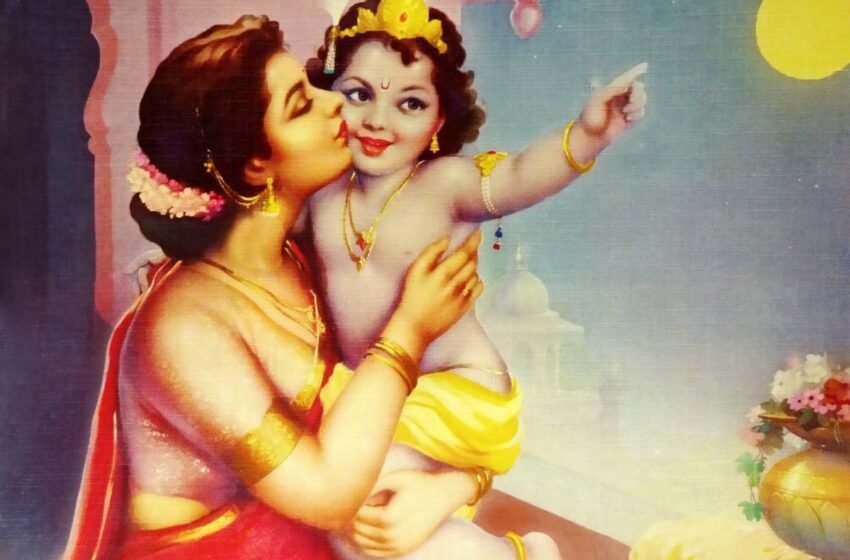
Two mothers tied together by the love for one child- Krishna. Their story proves that motherhood isn’t just about blood, but about love.
Devaki’s life was marked by fear and separation from the very beginning. Imprisoned by her brother Kansa, she watched her children die one by one. When Krishna was born, she knew she had to protect him, even if it meant being separated from him. Devaki became a mother who loved her child deeply, yet could not watch him grow up.
On the other hand, Yashoda watched Krishna grow up. She witnessed his childhood and raised him with affection and warmth. To her, Krishna was not a divine figure destined to change the world. He was simply her child.
Sumitra
Sumitra exists as a quiet figure in the Ramayana, often remembered for her strength and wisdom. She raised her sons to always serve their elder brothers and stand by them. When Lakshmana chose to accompany Rama into exile, Sumitra did not stop him. Instead, she encouraged him to remain devoted to Rama and support him throughout the journey. She placed responsibility over attachment, all while carrying deep love for her children. Her role in the Ramayana may be brief, but it carries deep emotional significance.
Kaushalya
Kaushalya occupies a special place in the Ramayana as the mother who had to watch her son walk away for 14 years. As the mother of Rama, she was meant to witness her son ascend the throne of Ayodhya and lead the kingdom into a new era. Instead, she watched him accept the exile for fourteen years. Despite her grief, she did not allow personal sorrow to overpower dharma.
The mothers of Indian mythology are not remembered only for nurturing their children. Many of them are remembered for carrying emotional burdens that shaped the course of these epics. They loved and raised their children through periods of exile, political instability, rivalry, and war. Their strength appears in ways that cannot be measured. It existed in their patience, endurance, sacrifice, emotional resilience, and love.
Kunti raised her sons through hardships while carrying lifelong guilt. Gandhari had to watch her sons die at the hands of fate. Mandodari watched a kingdom collapse around her while knowing tragedy could have been avoided. Kaushalya and Sumitra watched their sons leave for exile because that is what duty demanded. Yashoda and Devaki shaped the divine being that graced the earth.
Motherhood in mythology is not simple or idealistic. It is layered with pain, strength, and love. It is quiet in a way that isn’t really noticeable. But they shaped the most remembered figures of mythology long before any war began.