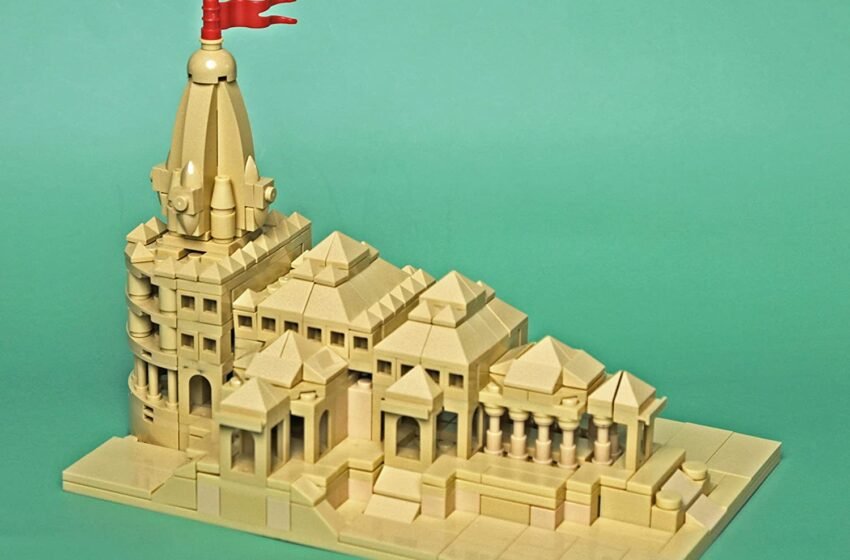
What do we know about Dwarka? Dwarka is a historical city within the northwestern Indian nation of Gujarat. According to Hindu mythology, it was the capital of Lord Krishna’s kingdom. The city is considered one of the seven most ancient religious cities in the country and is a popular pilgrimage site for Hindus. Archaeological evidence […]Read More
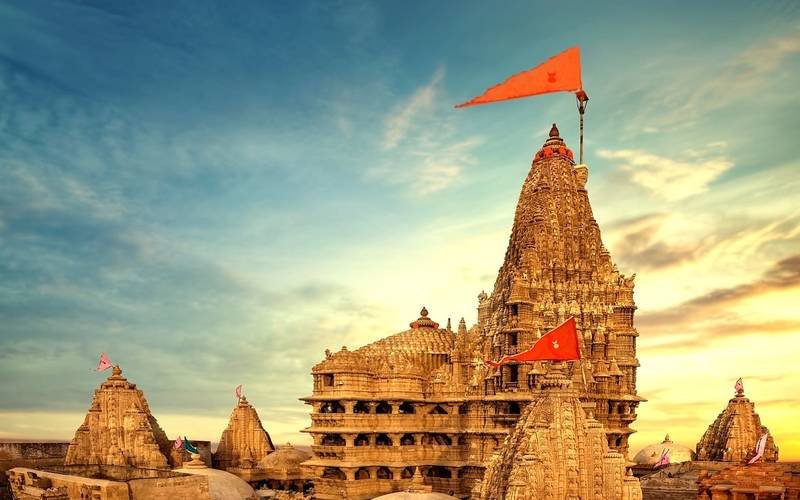
“Mahabalipuram” – the Lost & Found city of Mamallapuram
“Mahabalipuram” is the ancient Indian temple of Tamil Nadu, India. What do we know about Mahabalipuram? Mahabalipuram, also known as Mamallapuram, is an ancient Indian temple complex and UNESCO World Heritage Site located in the state of Tamil Nadu, India. It is known for its rock-cut architecture and intricate stone carvings and is believed to […]Read More
Rock-cut Architecture – Evolution of Cave Temples in India
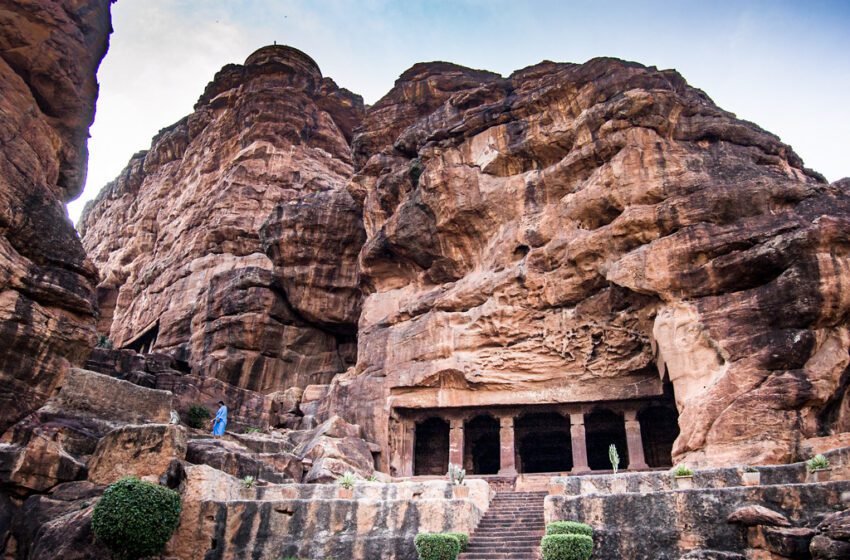
Evolution of Cave Temples The most impressive example of ancient Indian art is seen in the rock-cut architecture. The method of building a structure by cutting it out of raw rock is known as rock-cut architecture. It is done by excavating solid rock where it naturally exists to create structures, buildings, and sculptures. Temples, tombs, […]Read More
Nagara Temple Architecture – Carving the Universe of Gods
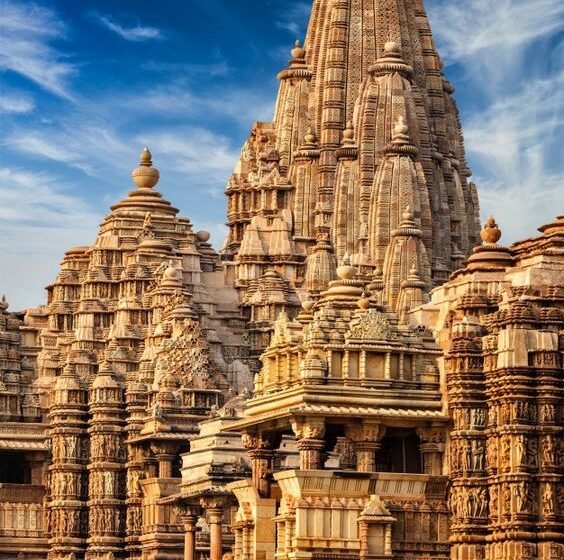
Building structures for temples first appeared during the Gupta era. Two significant temple styles—one in the north and the other in the south—emerged as a result of experimentation with a variety of forms and designs, as shown by the extant monuments. Nagara is the name given to the type of temple building that rose to […]Read More
A Look at the Vesara Style of Temple Architecture
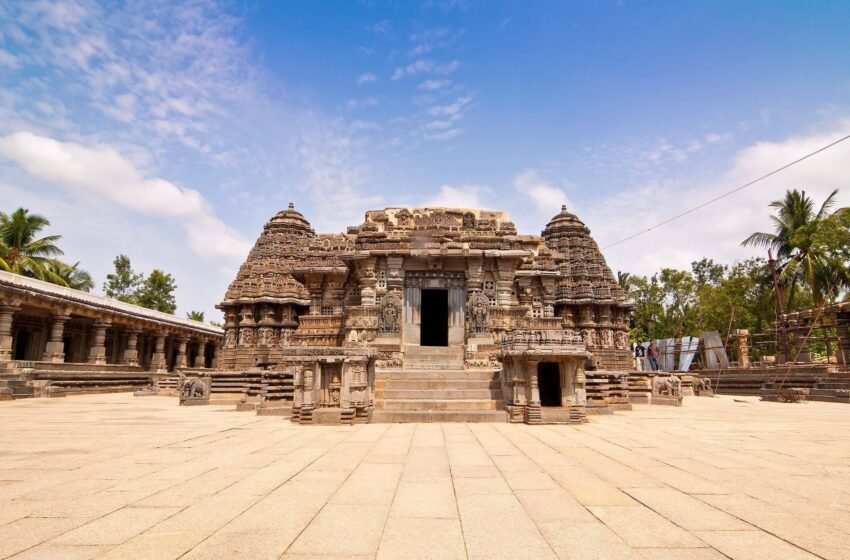
Vesara, which is Sanskrit for “mule,” is a hybrid ‘offspring’ of Nagara and Dravida, two different styles of architecture. The Chalukyan monarchs of the Deccan significantly affected how this form of temple construction emerged, was used, and was refined. Because of this, this style of temple construction is also known as “Chalukyan Style of Temple […]Read More
Indian Temple architecture – crafting the house of worship
Indian Temple architecture – crafting the house of worship “God is in the details.” – Ludwig Mies van der Rohe The Latin term templum denotes a sacred enclosure from which the word “temple” is derived. The definition of a temple states that it is a building set aside for spiritual or religious rituals like sacrifice […]Read More
#WorldOfMythologies : Hindu Mythology the Homage of Science and Spirituality
The Hindu religion is believed to be the oldest religion in existence, whose origin can be traced back to primeval times around 5000 to 10000 BC. Hindu mythology is a collection of myths and stories found in the Vedas, the Puranas as well as the Epics like Mahabharata and Ramayana. The word ‘myth’ simply means […]Read More
Bhagiratha the king who brought Ganga from heaven to earth was born out of two mothers. The story is unique just like Bhagiratha and his works. Even in today’s environment, queer romance struggles to be recognized, let alone celebrated. Pride parades intended to familiarise, bold films intended to educate, and artwork intended to normalize this […]Read More
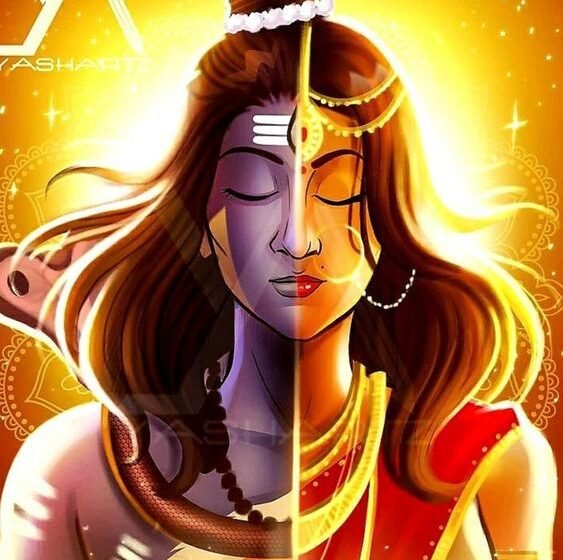
Shiva is commonly described as the ultimate man because he represents ultimate masculinity, yet in the Ardhanarishvara form of Shiva, one-half of him is a fully formed woman. Shiva was in a blissful state, and Parvati was drawn to him as a result.Read More
PrideOfied : Bahuchara Mata the Patron goddess of Hijrahs
Bahuchara Mata, a manifestation of Mother Goddess, is the Patron Goddess of the Hijra community, which means eunuchs or hermaphrodites, or Trans Gender today. The term 'transgender' was coined by civil rights activists.Read More