Bhoot Chaturdashi: A Lesser-Known Diwali Tradition Across Regions

–Parth S. Bhale
Diwali is usually associated with rows of lamps, sweets, family gatherings and the celebration of light over darkness. Yet, across India, the days around Diwali are marked by traditions that are very different from one region to another. Some of these customs are well known, while others remain largely within the communities that have preserved them for generations.
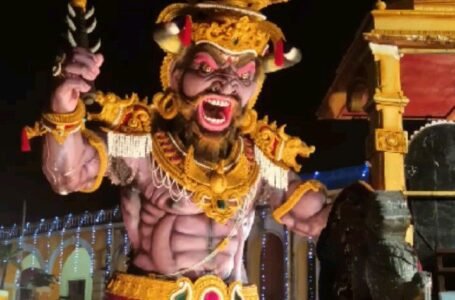
One such lesser-known tradition is Bhoot Chaturdashi, observed mainly among Bengali communities on the fourteenth day of the dark fortnight, just before Kali Puja. The name itself may sound unusual, but the festival is not simply about ghosts. It combines folklore, memories of ancestors, traditional food and rituals intended to protect the household.
What makes Bhoot Chaturdashi particularly interesting is the way an ordinary home is transformed through fourteen lamps and a special meal of fourteen kinds of leafy greens. The customs may differ from one family or locality to another, but the central idea remains connected to the past, the unseen world and the people who came before us.
What Is Bhoot Chaturdashi?
Bhoot Chaturdashi falls on the fourteenth day of the waning moon during the Bengali month of Kartik. It is observed immediately before Kali Puja, which in many places coincides with the wider Diwali period.
The word bhoot is commonly translated as “ghost” or “spirit”, while Chaturdashi refers to the fourteenth lunar day. According to Bengali folklore, this is a time when spirits and ancestral souls are believed to come closer to the world of the living.
One popular belief connects the number fourteen with fourteen generations of ancestors. Families therefore light fourteen lamps and prepare fourteen varieties of leafy greens as part of the observance.
These beliefs belong to the cultural and religious traditions surrounding the festival. They should not be understood as historical or scientific proof of the existence of spirits. What is historically significant is that these beliefs have been passed from one generation to another and continue to influence the way some Bengali families observe the day.
The Fourteen Lamps
Perhaps the most recognizable custom of Bhoot Chaturdashi is the lighting of fourteen earthen lamps, known as Choddo Prodip.
As evening arrives, lamps are placed in different parts of the house. Depending on family tradition, they may be kept near entrances, windows, corners or other important areas of the home.
The lamps are traditionally associated with two ideas. First, they are connected with the belief that ancestral spirits may visit their families on this night and need light to find their way home. Second, the lamps are believed to keep away negative or unwanted spirits.
The symbolism is interesting. A festival associated with darkness and spirits is marked by small sources of light throughout the home. Instead of allowing darkness to dominate the evening, families fill their surroundings with lamps.
The number fourteen is not accidental. It is traditionally connected with the belief in fourteen generations of ancestors. In this way, a simple lamp becomes a symbol of remembrance.
For many people, celebrating this tradition is not only about following a ritual. It is also a way of showing respect to ancestors and keeping alive the emotional connection with those who came before. As the festival approaches, the atmosphere in the home can also become filled with excitement and happiness as families prepare to observe the occasion.
Choddo Shaak: Fourteen Greens on the Dining Table
The other important custom is Choddo Shaak, a preparation involving fourteen different leafy greens.
The exact greens used can vary. Different regions, families and traditional sources may mention different combinations. This variation itself shows how food traditions often develop differently within communities.
Different families may prepare traditional festival foods in different ways, and the ingredients or methods may vary from one place to another. Yet, these foods remain an important part of the identity of a festival. They carry memories of older generations and keep traditional practices alive.
For families that continue the custom, preparing Choddo Shaak is not simply about making a traditional meal. It is also about preserving a practice that can be passed on to the next generation.
There are also traditional explanations connecting the fourteen greens with seasonal change and household well-being. However, such explanations should be distinguished from modern medical claims. The cultural importance of Choddo Shaak is clear as a traditional practice, while claims about particular health effects should be treated carefully.
Why Fourteen?
The number fourteen appears repeatedly in Bhoot Chaturdashi.
There are fourteen lamps. There are fourteen greens. And popular belief connects the day with fourteen generations of ancestors.
This repetition gives the festival its distinctive identity. The number acts as a link between different parts of the celebration — light, food and memory.
At the same time, there is no single explanation accepted by every family. Some people place greater importance on ancestors, while others focus more on protecting the home from negative spirits. Traditional practices can also change over time.
This is common with regional festivals. A tradition may begin with a particular belief, but as it passes through generations, families add their own customs and interpretations.
Bhoot Chaturdashi and Bengali Folklore
The festival also reflects Bengal’s long and fascinating tradition of storytelling about supernatural beings.
Bengali folklore contains many stories about ghosts and spirits. Figures such as Petni, Shakchunni and Brahmadaitya appear in different folk stories and literary works. These stories can be frightening, but they can also be humorous, mysterious or moral in nature.
Because of this rich storytelling tradition, the idea of bhoot has a cultural meaning that goes beyond simply being afraid of ghosts.
Bhoot Chaturdashi brings some of this folklore into everyday life. The supernatural is present, but it exists alongside food, family and religious observance.
This is one reason why calling it simply a “ghost festival” does not fully explain the tradition.
Is It Celebrated the Same Way Everywhere?
Not necessarily.
Bhoot Chaturdashi is strongly associated with Bengal, but the way it is observed can vary between families and places. The list of fourteen greens may differ, the placement of lamps may change, and the explanations given for the rituals can also be different.
This regional variation is an important part of understanding Indian festivals.
India does not have one uniform way of celebrating Diwali. In different parts of the country, the same period of the year can be connected with different stories, gods, foods and customs.
Bhoot Chaturdashi is a good example of this diversity. While one person may know Diwali mainly through Lakshmi Puja and rows of diyas, another family may spend the same festive period preparing Choddo Shaak and lighting fourteen lamps in remembrance of ancestors.
The difference does not make one tradition more authentic than another. It shows how communities give their own meaning to a shared festive season.
More Than a Festival About Ghosts
The word “Bhoot” can make the festival sound frightening. But when the customs are examined more closely, another side becomes visible.
The fourteen lamps represent light and remembrance. The traditional meal represents food culture and seasonal knowledge. The stories about ancestors connect the present generation with those who came before.
In this sense, the festival is not only about fear. It is also about memory.
A family may not know the names of every ancestor from fourteen generations ago, but the ritual gives the idea of ancestry a place in the present. The act of lighting a lamp becomes a small reminder that every family has a history extending far beyond the people living in the house today.
A Tradition Worth Remembering
Modern life has changed the way many traditional festivals are celebrated. Younger generations may know the major festivals but remain unfamiliar with the smaller rituals that surround them.
Bhoot Chaturdashi is one such tradition. It does not receive the same attention as the larger Diwali celebrations, yet it contains several layers of history and culture.
There is folklore in its stories, food culture in Choddo Shaak, symbolism in the fourteen lamps and family memory in the belief about ancestors.
Perhaps the most interesting part is that the tradition does not need to be dramatic to be meaningful. A few small lamps placed around a home and a plate of traditional greens can carry memories that have survived for generations.
Bhoot Chaturdashi reminds us that festivals are not only about grand celebrations. Sometimes, the quieter traditions reveal something deeper about a community.
As Diwali lights appear across India, the fourteen lamps of Bhoot Chaturdashi offer a different way of looking at the festival season — one that connects light with darkness, the present with the past, and everyday family life with the stories of generations long gone.