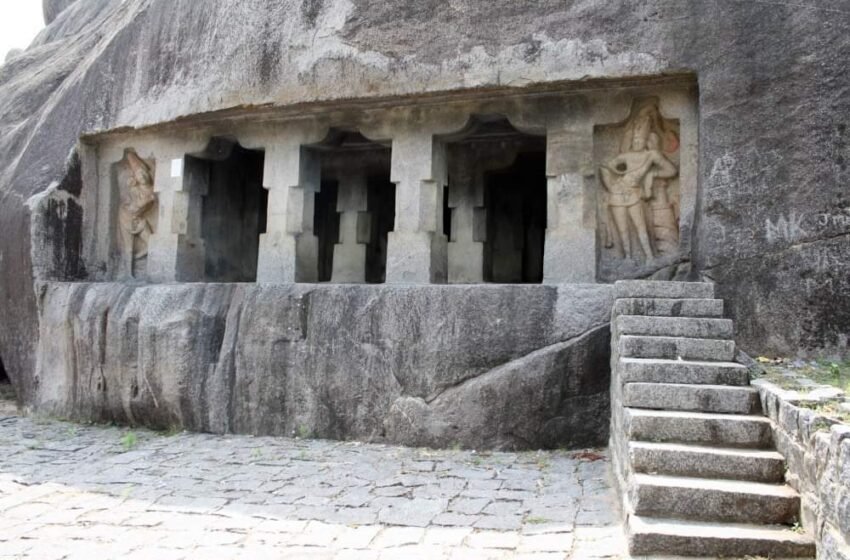
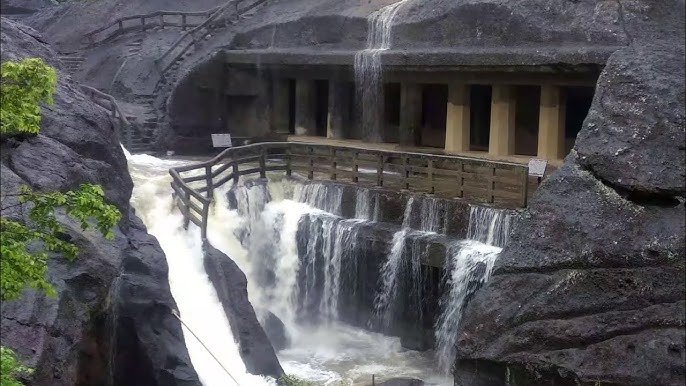
Karpaka Vinayaka Temple, also known as Pillaiyarpatti Pillaiyar Temple, is an ancient rock-cut cave temple located in Pillayarpatti village in Tamil Nadu, India. Dedicated to Lord Ganesha, or Karpaga Vinayagar, the temple is revered for its unique iconography and historical significance. The temple is named after “Karpagam tree,” symbolizing fulfillment of wishes, and Vinayagar, meaning […]Read More
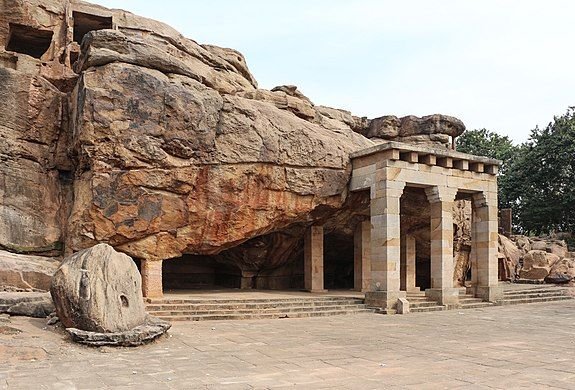
Carved in Time: The Majestic History of Udayagiri & Khandagiri
The Udayagiri and Khandagiri Caves, located near Bhubaneswar in Odisha, India, are remarkable examples of ancient architecture, religion, and art. These caves are partly natural and partly man-made, carved during the 1st and 2nd centuries BCE. They hold immense archaeological, historical, and religious importance. The caves were primarily built as residences for Jain monks during […]Read More
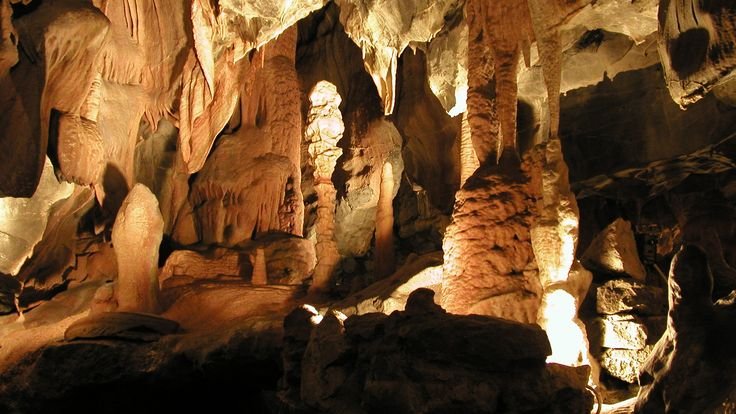
Mawsmai Cave is a beautiful limestone cave near Cherrapunji in Meghalaya, India. It is located in the Khasi Hills, a region known for heavy rainfall. This rainfall has helped shape many caves in the area, making it one of the best places for cave exploration in India. Mawsmai Cave is about 250 meters long, and […]Read More
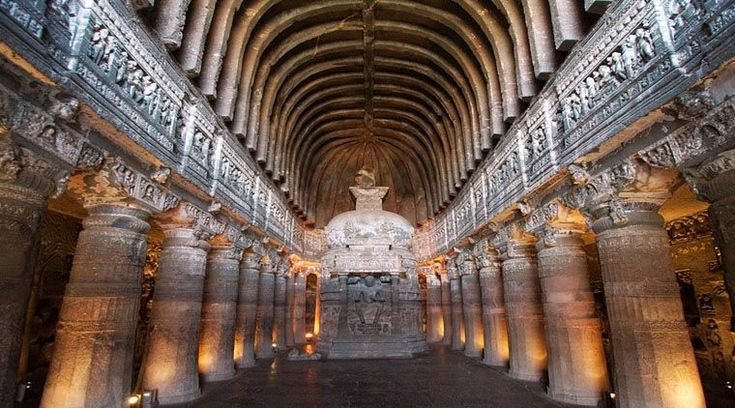
The Karla Caves, located near Lonavala in Maharashtra, were built around the 2nd century BCE. These ancient caves are important Buddhist sites, created during the Mauryan Empire. Buddhist monks carved the caves into rocky hills to use as places for meditation, worship, and living. Since they were near busy trade routes, the caves also served […]Read More
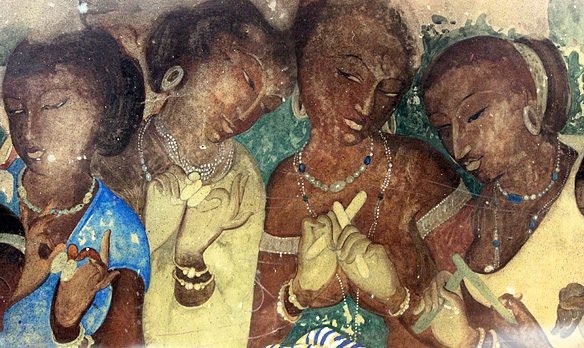
The Bagh Caves are a fascinating collection of nine rock-cut structures found on the slopes of the Vindhya Range near the town of Bagh in the Dhar district of Madhya Pradesh, India. They were created around the 5th to 6th century CE, showcasing the artistry and architectural skill of ancient Indian craftsmen. These caves, much […]Read More
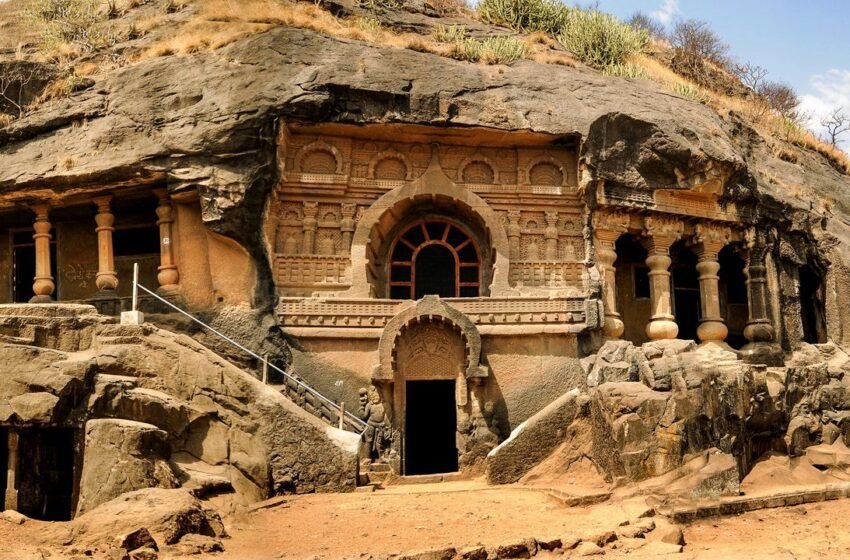
The Pandavleni Caves, also known as Trirashmi Caves, are a series of rock-cut caves located in Nashik, Maharashtra. Carved into a hill over two millennia ago, these caves are famous for their architectural beauty and historical significance. They were crafted mainly between the 3rd century BCE and the 6th century CE, during which time they […]Read More
The Mandagapattu Tirumurti Temple, located in the Viluppuram district of Tamil Nadu, is an ancient Hindu temple created from solid rock. This temple, attributed to the Pallava ruler Mahendravarman I, represents a significant development in early Dravidian temple architecture. Mahendravarman I, who ruled during the 7th century, was a pioneer of rock-cut architecture, and the […]Read More
From Monastic Life to Ancient Art: The Wonders of Kanheri
The Kanheri Caves, located in Mumbai’s Sanjay Gandhi National Park, are an incredible example of ancient Buddhist art and history. Carved out of dark basalt rock, the caves are named “Kanheri,” derived from the Sanskrit “Krishnagiri,” which translates to “Black Mountain.” These caves are more than just historical structures; they reflect the spread of Buddhism, […]Read More
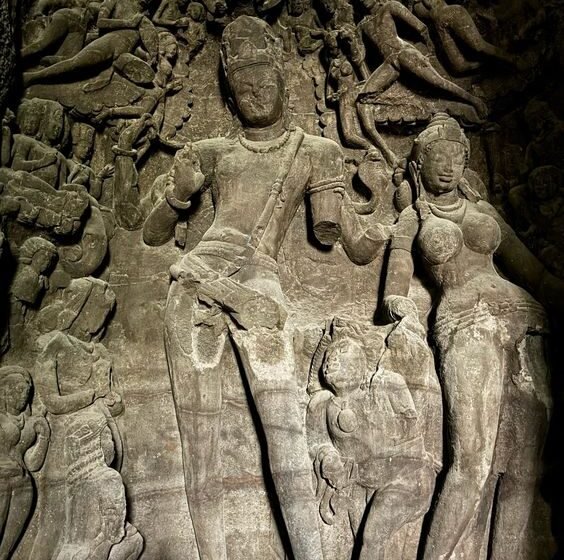
The Elephanta Caves are located on Elephanta Island also known as Gharapur, in Mumbai Harbour. This island has been home to people since as early as the 2nd century BCE making it an important historical site. Originally, the island was a Buddhist site, but over time, it became a major centre for the worship of […]Read More
The Mughal Empire has produced unparalleled artistic pieces of art, jewellery, architecture and most of all the royal seats of their Empire’s rulers. Studded with opulent gemstones and rare metals with intricate designs, their thrones were not just mere seats for their grand Emperors – they were symbols of power and the glory for this […]Read More