Lessons from the Mauryan Empire on Governance and Administration

-Devashree Kulkarni
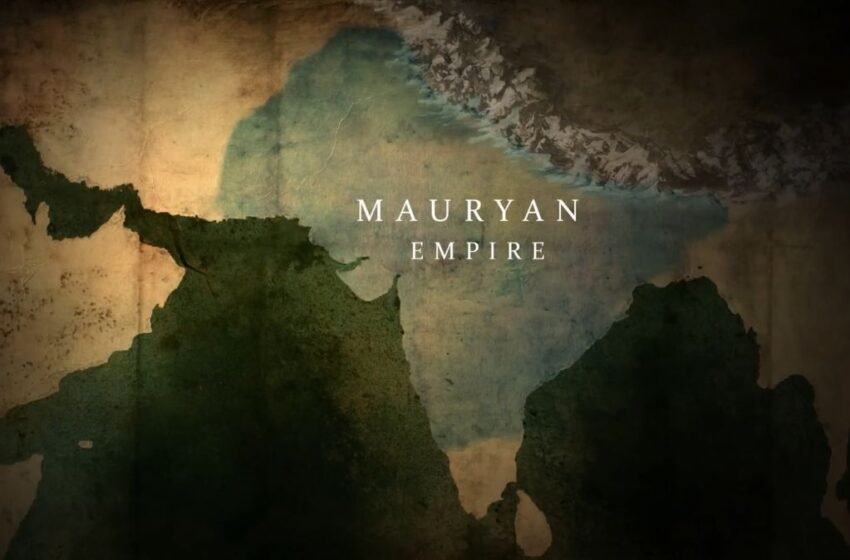
Imagine the time around 300 BCE, walking through the streets of Pataliputra. Merchants traded goods, assigned officials kept detailed records, soldiers always on duty to protect the empire and royal messengers travelling across territories. The reason behind organized, coordinated and thriving world stood the Mauryan Empire which was founded by Chandragupta Maurya and later strengthened by Ashoka. With great administration , a strong bureaucracy, accountability and always working for public welfare. The Mauryans showed military with good governance can bring extreme power. Their success offers timeless lessons on leadership, administration and serving the diverse populations and fulfiling the needs.
Building an Empire Requires Strong Institutions:
During political fragmentation the Maurya Empire began to rise. Chandragupta Maurya was guided by his mentor Chanakya understood that conquering territory was only the first step. The Mauryans developed a structured administrative system which results in dividing an empire into provinces, districts and villages managed by officials with specific responsibility.
The important lesson learned from this is lasting governance depends on structured institutions. Individual leaders may inspire others but strong administrative structures ensure stability long after leaders are gone.
The Importance of Strategic Planning:
Arthashastra which was written by Chanakya considered as one of the most influential text of Mauryan Empire. It provided great knowledge regarding the ancient Indian political management.
The Arthashastra presents governance as a science requiring proper planning, intelligence gathering, managing the finance and how to eliminate the risk. It emphasizes that rulers should anticipate challenges before they become crises.
As per Chanakya governance should always be prepared for crucial times. This lesson remains highly relevant even today. Successful governments and organizations invest heavily in strategic planning, disaster management, economic forecasting and development policies.
Revenue system:
They collected taxes to earn revenue. The taxes were collected from farming, mining and trade. The revenue was used for road construction, military, administration and public work.
The assigned officials kept records and monitored income. They strongly believed that corruption is harmful to the state and financial management and stable source of revenue require for good governance.
Information Is Power:
One of the most fascinating aspects of Mauryan governance was its intelligence network.
The Arthashastra describes agents those who spy or gathered information about political and economic conditions with potential threats. These agents assigned to operate across the state and beyond territory.
Good governance depends on correct information. Leaders can make policies and decisions if they know the problems people are facing. The Mauryans understood that informed decisions are usually better decisions.
Merit and Accountability Matter:
There were numerous officials in Maurya empire for finance, agriculture, trade, mining, defense and public works. These officials were expected to work with honest.
Chanakya recognized a timeless reality, power can be misused if left unchecked. Arthashastra contains details regarding monitoring the administratives and prevent corruption. They also established system where records were maintained for officials regarding their work and misconduct could result in punishment. This policy is also followed in modern governance to ensure that public officials serve the interests of society rather than personal gain.
Infrastructure Creates Unity:
The Mauryan Empire built roads connecting distant regions which helped merchants for trade and the trade route facilitated economic exchange. Also travelers and officials could move across the territory effeciently.
Infrastructure is not merely a collection of physical structures; it is a tool that connects people, markets and institutions. The Mauryans recognized this relationship more than two thousand years ago.
Welfare Strengthens Legitimacy:
Under the Ashoka reign, Mauryan Empire reached its peak. He was a powerful conqueror but Kalinga War’s terrible bloodshed changed. He connected various communities under common morals. He promoted medical facilities, tree planting, wells, rest houses and care for both humans and animals. He believed a successful ruler is measured by welfare of the people and not just by his empire expansion.
Even in healthcare, education, public services and social welfare remain essential components of good governance. Even after Ashoka’s death, he left behind the vision for political unity.
Respect for Diversity Encourages Stability:
The Mauryan Empire includes people from different ethnicity, languages, culture and religion. Ashoka promoted mutual respect for all religions and harmony among different sects. He managed diversity which was a big challenge during that time. He realized earlier for a stable empire unity is required and can be attain through respect, inclusion and equality among people.
Even in today’s world this lesson is highly relevant as we live in multicultural society. Governments that accommodate diversity while maintaining shared civic values are more stable.
The Mauryan experience demonstrates that unity and diversity can coexist.
Leadership Requires Ethical Responsibility:
Many rulers in the history have been remembered for their victories in war but Ashoka is remembered for his justice, honesty, concern for public welfare and greatly respected for his ethical leadership. Ashoka believed that moral responsibility should guide political authority.
His perspective provided a valuable lesson for modern leaders. Leadership requires empathy and accountability along with efficient administration. Only an ethical leader is able to gain citizens trust.
Legacy of Mauryans:
The Mauryan Empire showed how balanced security and working for public welfare can strengthen the empire. Through their efficient administration, accountability and respect for diversity, the Mauryans built a stable and successful empire because of the powerful rulers like Chandragupta and Ashoka. Their legacy reminds us powerful governance which worked for welfare of people and gave a vision to prepare for future challenges.