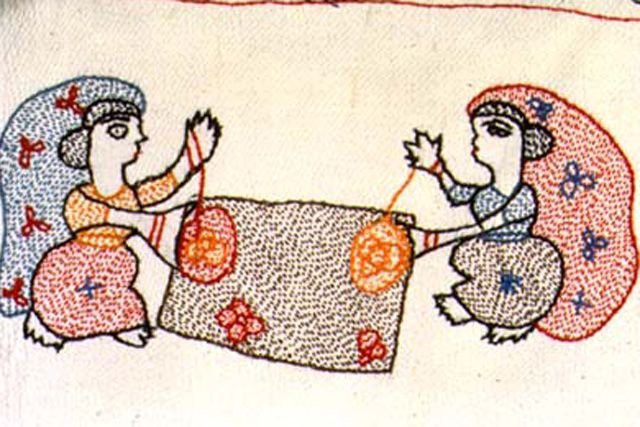
-Neha Garg Sujini embroidery is a work from Bihar. It is an expressive product of art in textile. It is given protection under the GI registration act. Usually it is quilt or bed spread. It is usually made of old clothes but now generally it is made of easily available fabric. Embroidery is done with […]Read More
Tags : SAREES
Kunbi: Unearthing the clothing of Goan, Kunbi & Gowda tribes
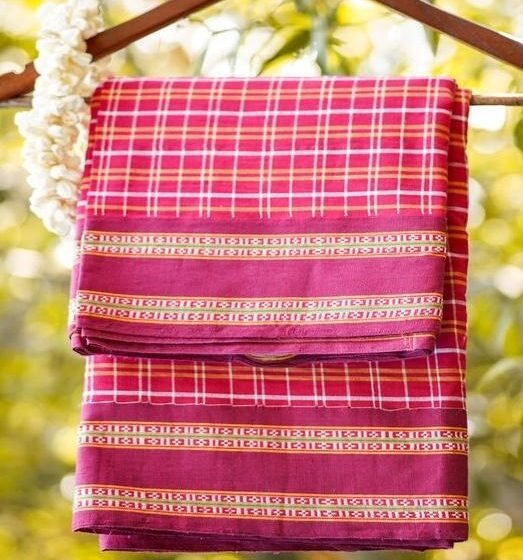
Kunbi– the withering Goan textile tradition The thickly woven, coloured saree known as the Kunbi is well-known across the state of Goa. The earliest Goan tribes, that are, the Kunbi and Gawda tribes, are honoured by the name of the Kunbi saree. The fabric dates back many centuries and before the Portuguese invasion. Since the […]Read More
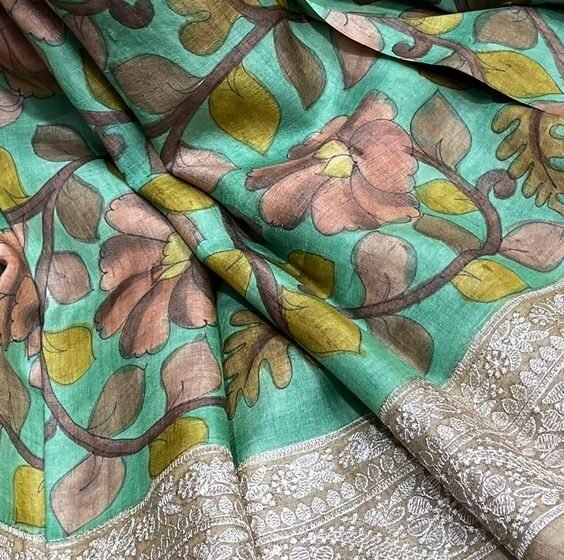
The major source for the well-known textile art, one of the simplest forms of visual art and design, known as Kalamkari, is the Swarnamukhi River’s banks, which are close to Srikalahasti, Andhra Pradesh. Indian handicraft artists have created aesthetic harmony on a variety of surfaces, including metal surfaces, terracotta, glass, and trees– practically all imaginable […]Read More
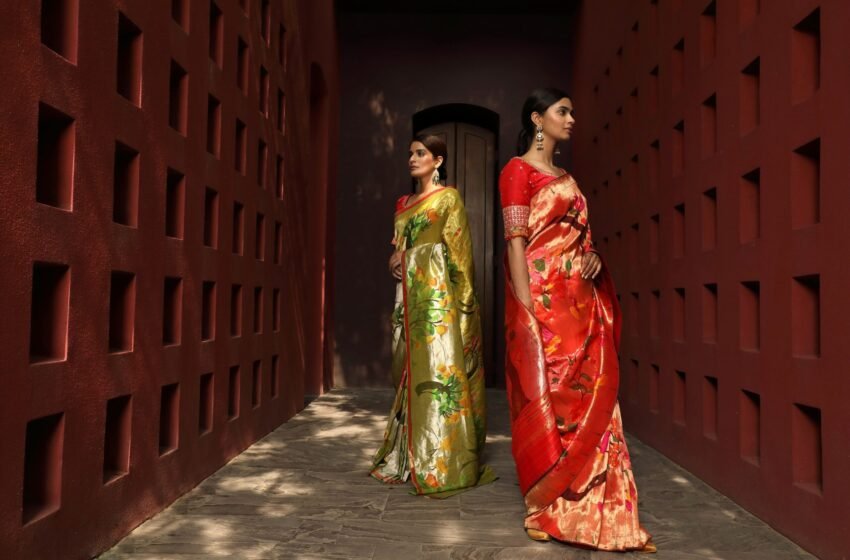
Paithani Silks The Royal Handlooms of Maharashtra India has always been a land of cultures, traditions, festivals, and freedom. Since time immemorial, one of the most traditional clothing of Indians is sarees. Saree usually have a lot of variety but among all of them, the most comfortable and beautiful saree is a handloom saree. A […]Read More
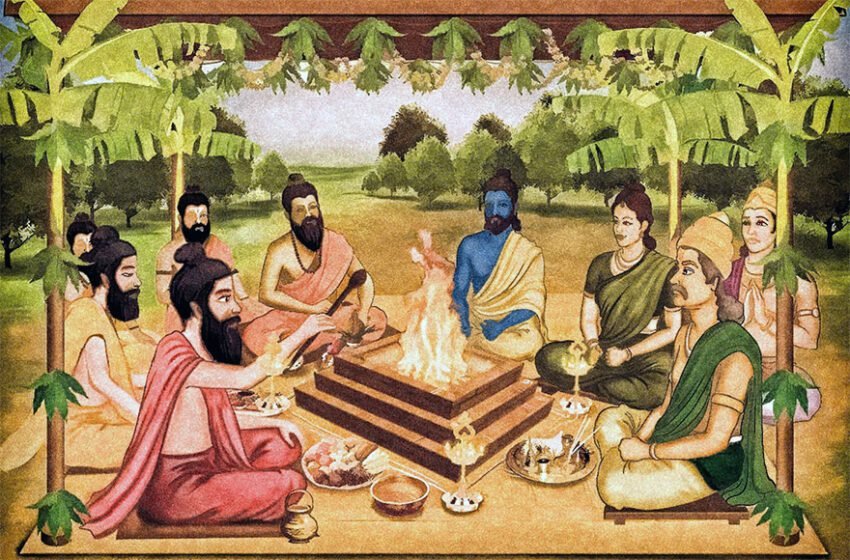
In the Vedic period, the garments worn was mainly included a single cloth wrapped around the whole body and draped over the shoulder. ‘Paridhana’ is a garment people used to wear in the lower part which was pleated in the front and tied with the belt called ’Mekhala’ and the upper garment is called ‘Uttariya’.Read More