Custodian First: Surya Siras on Seven Generations, a Jaipur Haveli and the Art of Keeping History Alive

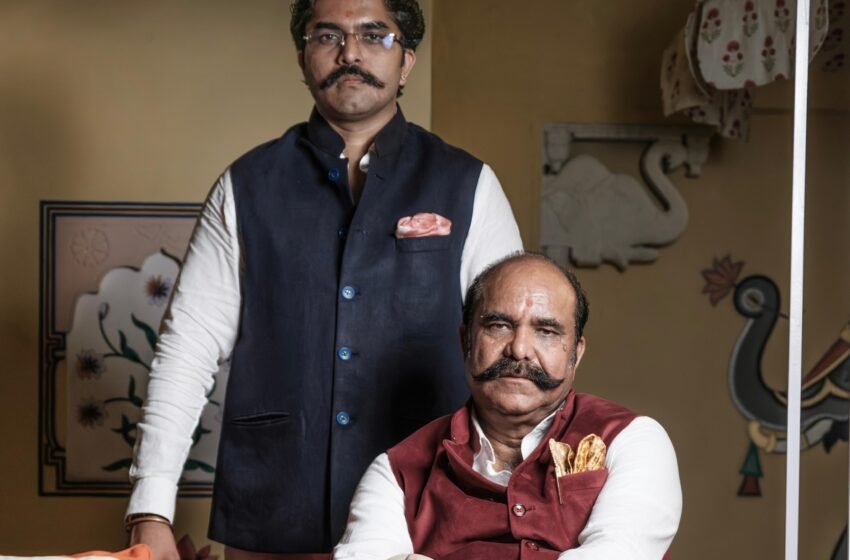
Surya Siras comes from a Rajawat family with 300 years of history in Jaipur. He speaks about the fort at Siras, the restoration of the Siras Haveli, the Gangapole Art Project and why he calls himself a custodian before anything else.
A Home Larger Than a House
Surya Siras knew early that his family carried responsibilities beyond its own walls. The signs were there in what he saw as a child at his grandfather’s fort, the Siras Garh, in Siras, and at home in Jaipur. Villagers, relatives and family lived as one household. “I guess I might be one of the last generations to have seen and experienced that kind of love,” he says, and he describes it as a dying tradition.
Travel changed the scale of the idea. Trips through western Europe, the Middle East, Russia and across India, a period of study in Spain and a long fascination with history all contributed. So did tourism, a field his family has worked in. Home became larger than a house.
Responsibility First, Pride Second
Asked what it means to inherit a 300-year legacy, Surya answers without pause: responsibility first, pride second. He believes nothing is a coincidence and that people are placed where they are at the right time. Anyone who recognises that placement, he says, will not shy away from carrying what has been handed to them as part of their karma.
Seven Generations Who Never Retreated
One story sits closest to his heart. Seven consecutive generations of warriors from his bloodline died in battle defending the state, and none of them chose to retreat. “It is a very rare achievement we are proud of,” he says. The haveli also holds the family’s childhood stories. His favourite corner for them is the Durbar Hall.
Restoring History Without Erasing It
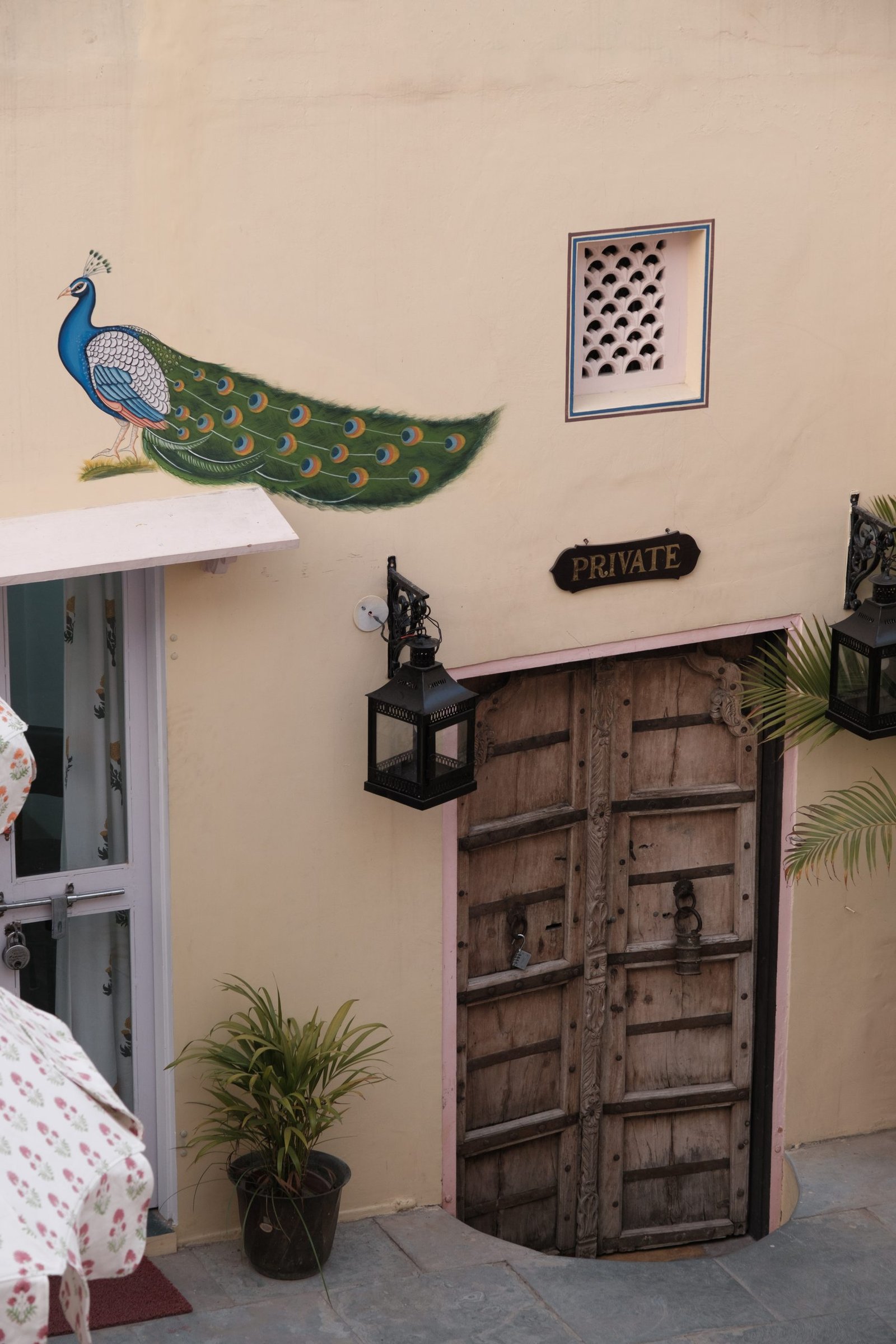
The restoration followed memory. Surya saw the haveli and the Siras Garh as a child, and the images stayed fresh. His family never moved away in search of other pursuits, and it passed down a respect for culture. He preserved the haveli as he remembers it and as others have described it to him. The ideas of his father and grandfather shaped the approach: preservation through small things.
He did not refuse to modernise anything. “We modernised beautifully while retaining the original character,” he says, and that covers buildings, traditions and even food habits. He questions why people treat the two as extremes, and why modernisation alongside tradition cannot be fashionable.
The work also taught him about earlier generations. Men before his own did things far greater than people can now imagine, from battlefields to architecture to social development. He sees their zeal and strength of character as an inspiration and, sadly, a scarcity today.
Not Royal, but Rajawat
Surya finds the word “royal” too heavy for his family. His family comes from a Tazimi Thikana of Rajawati in Dhundhar, known mainly for valor in battle and social responsibility, and he thinks those words do the family more justice. He sums up the Rajawat inheritance as loyalty, courage and compassion. Loyalty and courage come from wars fought for the Jaipur state. Compassion is for the people of Siras and for society at large, something he credits to his grandfather, whose stories he grew up on.
Luxury, Legacy and Hospitality
Surya does not see luxury and legacy as a debate. Reviving heritage is becoming fashionable, he says, and when it comes with responsibility and a sense of repurposing, it is a good thing. Any effort to preserve is a step forward.
On balancing conservation with the demands of modern hospitality, his answer is one word: passion. Conservation is a challenge and hospitality can be a way to make money. Passion is where that line blurs and a refined sense of balance emerges.
The Gangapole Art Project
Gangapole is the oldest neighbourhood in Jaipur, and Surya grew up there in a joint family. Neighbours in Gangapole and in Siras felt like extensions of home. The Gangapole Art Project comes from that attachment, along with his own interest in the arts and an admiration for society-oriented projects he saw on his travels.
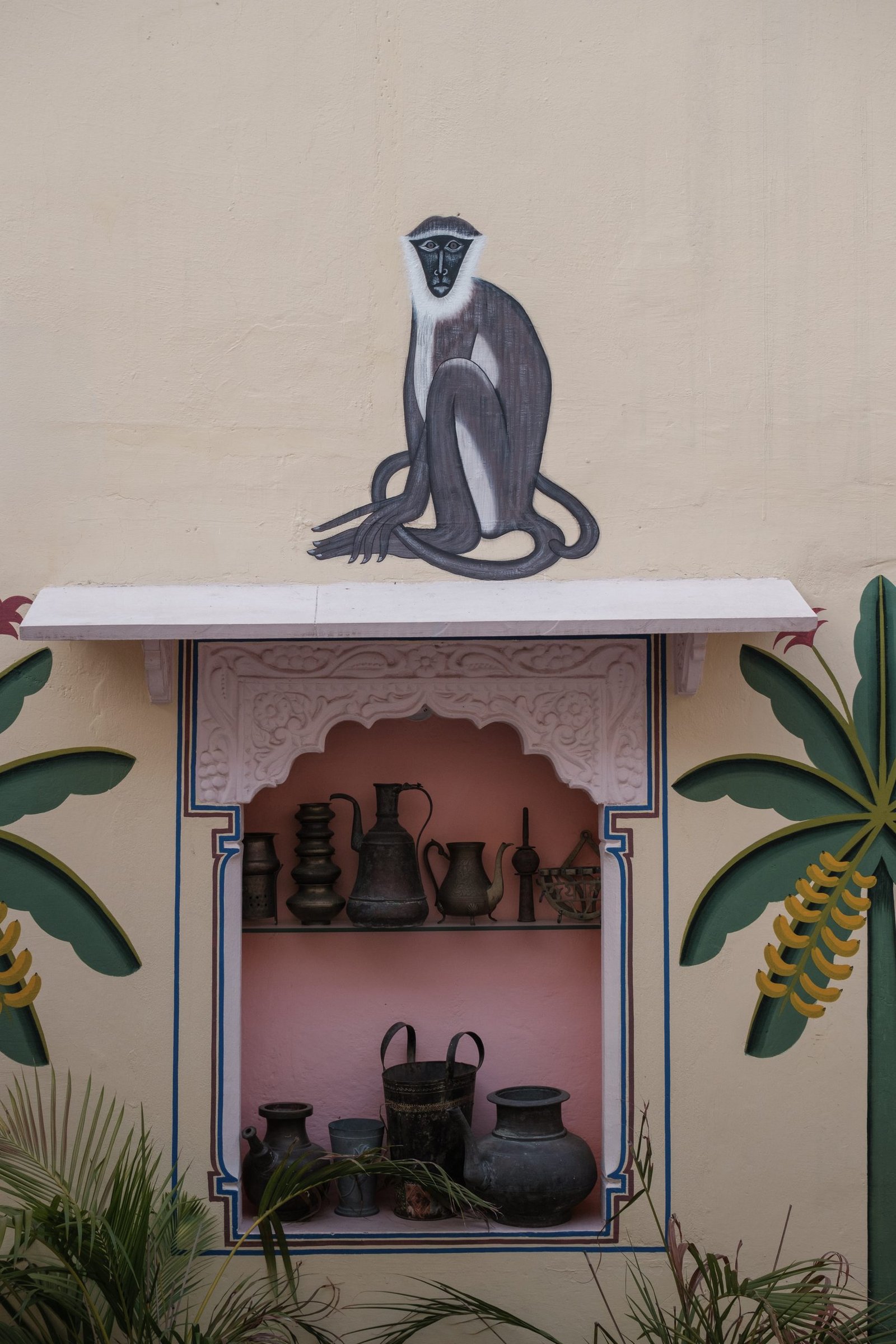
He describes the idea as art “restored with a twist” in a place where it always belonged. For centuries, literature, poetry, music, painting and storytelling added charm and expression to ordinary life. The project aims to create a new genre of art and artists, with a historic neighbourhood preserved by the collective strength of art and community. He calls it a celebration of art.
He is certain street art can change how people see a place. Jaipur, the Pink City, already shows it, with its roads, palaces and small corners serving as canvases for artists. The community response has been a fantastic start, helped by the shared values that survive in Gangapole, one of the few places in Jaipur where the community culture of earlier days is still preserved.
Keeping Heritage Alive
Surya’s answer to how heritage survives has two parts: cultural preservation to save heritage, and cultural education to protect the next generation from its decline. He means the intangible side, the cultural practices that are now dying, more than buildings.
He has completed a course with the Global Sustainab Tourism Council and has spent years preserving culture through experiential tourism, of which the Siras Haveli is an example. He argues for cultural sustainability, which works like species conservation. The task is to identify the elements of society and culture that are disappearing and apply practices to preserve them.
Custodian, Curator, Hotelier
Asked whether he is a hotelier, a curator or a custodian of history, Surya gives an ordered answer: “Custodian first, curator second and then everything else.” For him, responsibility is what separates a custodian from an inheritor. Once ownership moves beyond ego and possession, a new awareness begins.
The legacy he hopes to leave is the haveli, a family legacy and a lot of art, as people before him left. The duty then passes to the next generation. “Nothing comes for free,” he says, “and sometimes some people are chosen for things beyond simple understanding.”