The History of Beauty and Cosmetics in India from the Medieval Period

-Prachurya Ghosh
Traditions, Rituals and Cultural Meanings of Beauty
Beauty has always been a deal in India. People in India did not just use cosmetics to look good they also used them to stay healthy and to show their side. The idea of beauty was connected to being in harmony with nature and being pure. A time ago before we had all the cosmetic companies we have today people in India used natural things like plants and herbs to take care of their bodies and look good.
By the time we got to the period India already had a pretty developed sense of beauty. This sense of beauty came from medical traditions like Ayurveda as well as from the customs of different regions and the lifestyles of royal courts. Between the eighteenth centuries the way people took care of themselves and used cosmetics got even more complicated. This was a time when different cultures were interacting with each other a lot. The royal courts, trade networks and especially the fancy lifestyle of the Mughal courts all helped shape the way people thought about beauty.
During this time people used all sorts of products to take care of themselves every day. They used pastes, fragrant oils, plant dyes and scented waters. These practices were written down in books, literature, travel accounts and royal records. The way people took care of themselves also said a lot about the norms of the time. It showed how men and women were expected to behave, how wealth affected peoples lifestyles and how different cultural influences changed life.
Beauty Culture in Medieval India
In India taking care of your body was seen as a big part of being a civilized person. People did not think that taking care of your appearance was vain they thought it was a sign of being refined and disciplined. Both men and women used cosmetics. Followed beauty routines, although women were usually more into complicated cosmetic practices.
The royal courts played a role in shaping the way people thought about beauty. The courts of the Akbar, Jahangir and Shah Jahan were like centers of luxury where people used all sorts of perfumes, fragrant oils and fancy grooming products. Court historians like Abu al-Fazl wrote about the lifestyle of the Mughal elites, where beauty rituals were a big part of daily life.
At the time these practices were not just limited to the royal courts. Many ordinary households also had their ways of taking care of themselves. Families would make their own herbal mixtures using things they found around them. This made beauty practices closely connected to the environment and traditional knowledge.
Most cosmetics in India were made from natural things. People used sandalwood, turmeric, saffron, rosewater, almond oil and henna. These things did not just make people look good they also protected the skin from the heat treated infections and kept the body smelling good in a hot climate.
The Philosophy of Beauty
The way people thought about beauty in India was heavily influenced by Ayurveda, the traditional Indian system of medicine. Ayurveda said that beauty was a reflection of being healthy on the inside. According to this tradition the body stays healthy when its internal energies are balanced. When the body is in harmony the skin looks clear the hair looks strong. The body looks radiant.
Because of this belief taking care of your appearance was closely connected to your lifestyle habits. What you ate your daily routines and the herbal remedies you used were all important for looking good. Skincare treatments often involved mixtures made from everyday things.
For example people would mix turmeric with sandalwood paste or milk. Apply it to their skin. This was believed to improve the complexion and prevent infections. People would also massage oils into their scalp and body. These massages improved blood circulation, strengthened hair and relaxed the body.
Even bathing was seen as part of taking care of your appearance. Of using soap people used herbal powders made from gram flour, neem leaves and fragrant roots. These powders gently cleaned the skin while also nourishing it. These practices show how medieval beauty routines combined hygiene, medicine and aesthetic care.
Beauty and Luxury in the Mughal Courts
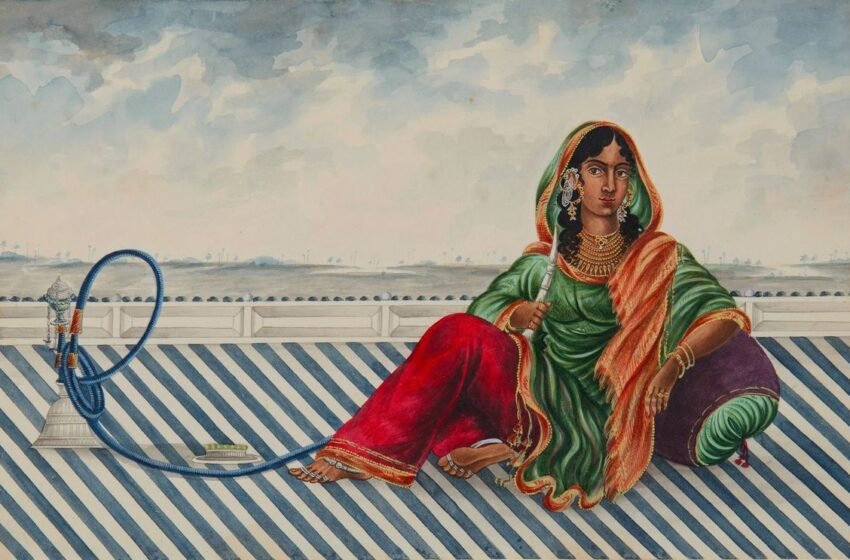
The Mughal period brought things into Indian cosmetic culture. The Mughal rulers, who had cultural connections with Persia and Central Asia introduced new tastes in perfumes grooming rituals and luxury products.
The women in the Mughal palaces followed beauty routines. They used oils, herbal face masks and scented baths. Perfumes were especially valued. People used distillation techniques to extract oils from flowers.
One of the famous figures associated with Mughal beauty culture was Nur Jahan, the influential wife of Emperor Jahangir. According to accounts she helped make rose attar popular after noticing the fragrant oil that formed on the surface of distilled rosewater. This perfume soon became a prized product in courts.
People also used eye makeup as part of their grooming routine. They used kohl, often known as surma to darken their eyelids and eyelashes. Apart from making people look good it was believed to protect the eyes from sunlight and infection. People created lip and cheek colors from dyes like saffron and lac.
Natural Ingredients in Medieval Cosmetics
One of the most remarkable things about medieval Indian cosmetics is the reliance on natural ingredients. These things were easily available. Suited to the Indian climate.
Turmeric was widely used because of its properties. When applied as a paste it helped keep the skin healthy and glowing. Today turmeric plays an important role in wedding rituals like the haldi ceremony.
Sandalwood paste was valued for its cooling effect and gentle fragrance. In weather applying sandalwood helped soothe the skin and reduce irritation.
Henna, derived from the plant Lawsonia inermis was used to color hair and decorate hands and feet. Intricate henna designs became a part of wedding celebrations and festivals.
Rosewater was another cosmetic ingredient. It was used as a skin toner, perfume and refreshing mist during the seasons.
These ingredients show how beauty practices were closely connected to nature and traditional medicinal knowledge.
Daily Beauty Rituals
In India taking care of your appearance was a part of everyday life. People followed routines that involved bathing oiling their bodies and applying fragrances.
Bathing was not about getting clean. It was often a ritual involving scented water mixed with flowers or herbs. After bathing people applied oils to keep their skin soft and moisturized.
Hair care was another part of grooming. People used oils made from coconut, sesame and amla to nourish their scalp and strengthen their hair. They used cleansers like soapnut and shikakai to wash their hair.
People also prepared treatments at home. Herbal pastes helped cleanse the skin and remove blemishes. These treatments were simple yet effective reflecting the wisdom of traditional knowledge.
Regional Beauty Traditions
India is a country with a lot of geographical diversity, which means that beauty practices differed from region to region.
In South India coconut oil became a staple of hair care. Turmeric was widely used in skincare and religious rituals.
In regions like Rajasthan, saffron and sandalwood were more common due to trade connections with Central Asia.
In regions like Bengal people developed their own traditions. Households often used rice powder, milk and turmeric to prepare cosmetic pastes.
These regional variations show how local environments shaped beauty traditions while still sharing cultural ideas about health and aesthetics.
Cosmetics and Social Identity
Cosmetics in medieval India were not just about looking good; they also carried social meaning. Certain beauty practices indicated wealth, status or marital identity.
Expensive ingredients like saffron or imported perfumes were usually associated with aristocratic households. Meanwhile simpler herbal cosmetics were used by people.
Married women often wore cosmetic markers, like verm.