DOSMOCHE FESTIVAL: A JOURNEY THROUGH CULTURE AND CELEBRATION

-Nisha Jha
As we all know, India is known for “Land of Festival”. Being based on Diversity, Indian Celebrate lots of Festival in a year, Which definitely Amazes rest of the world. In India, every Sates has their multiple festival which is being celebrated throughout a year. Every part of our country holds a significant story to tell and celebrate. “DOSMOCHE FESTIVAL” is also among them. The Dosmoche festival, also know as “FESTIVAL OF SCAPEGOAT” is celebrated in the high Himalayan region of Ladakh. It is one of the most ancient and iconic religious celebration, which became viral sensation in 2025 on all over the social media. People gone crazy for their religious, yet stylish attire, jewellery and their art.
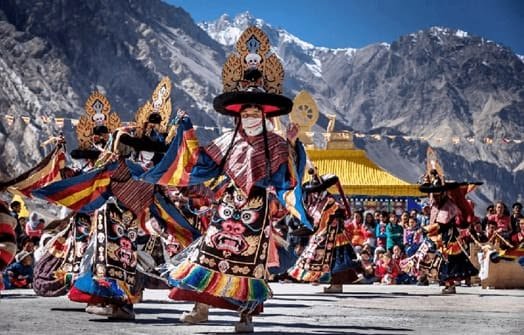
It represents a powerful expression of Ladakhi-Buddhist culture, combining symbolic rituals, traditional mask dances and strong community participation. It is started by Ladakh’s rulers, king “Lhachen GONGDUP (1295-1320). This is 2 – day Ladakhi New Year celebration held in month of February (28th –29th days of the 12th month of the Tibetan lunar calendar) for welcoming new year, protection from natural disasters and not getting affected by evil spirits and the festival marks the end of the year with purification rituals which meant to bring prosperity and peace. During these two days Local wear Colourful dresses and masks representing deities and protective spirits, They also perform rhythmic and symbolic movement along with traditional instruments like cymbals and drums. Monks also perform sacred cham dances in monastery courtyards and public spaces. The cham dance are not just performance, it is also a spiritual act, which is believed to drive away evil spirits.
The first day of the festival mainly focuses on the ritual dances and prayers, attracting large crowd of local and visitors who just gather to witness these amazing and vibrant rituals. The second day is based on central purification ritual. Colourful thread crosses are made by monks for trapping evil spirits. This festival main focus is “Leh, Likir and Monasteries”. Monks ignite Holy fire and make Torma which is made from dough and decorated with intricate design (symbolic thread crosses). These objects are believed to absorb the negativity, sins and misfortunes from the past year in present for making peaceful future. Through continuous chanting of mantra, the monks spiritually transfer all harmful things into these ritual objects.
During these two days the entire market of Leh gives festive vibe and people from different villages visit to meet their friends, shopping and for taking part in various games despite the harsh winter climate. This celebration is organized by Leh phum – do, who were original residents of the old Town in Leh, but now many of theme do not reside there but still they keep connection with it.
The festival strengthens community bonds and it also preserve cultural identity of Ladakh, India. The Dosmoche Festival stands as a significant symbol of renewal, faith and unity. It also reflects Ladakh’s rich Buddhist culture and it believe in spiritual purification and well wish for future through sacred dances, communal participation and symbolic rituals. The people of Ladak are continuing to celebrate this festival as a timeless tradition that unites past, present and future for a peaceful life which will be protected from all the evil spirits.
In recent years, this festival became viral sensation and has attracted many tourists from across the world. Visitors are amazed and fascinated by the unique blend of cultural celebration with spiritual devotion. Visitors come to experience the vibrant colour of tradition, Buddhist rituals and the beautiful winter landscape of Ladakh. However, the festival is deeply sacred to the local people and it is very essential to respect tradition and rituals. This symbolize the victory of good over bad, which will protect the community from evil spirit and misfortune in the coming year.
According to historical tale, the festival was introduced to protect the kingdom from external threats and negative forces. Over time, it became an important religious event where monks perform sacred rituals and prayers for the well – being of the community. Today also the festival continues to be celebrated with the same spiritual importance and traditional customs. This festival, which usually takes place in the month of February, marks the end of the Tibetan New Year celebrations and is dedicated to the worship of the deity “Mahakala”, who is considered a protector of the faith. The name “Dosmoche” has synonyms which is also known as “the festival of the end of the year,” representing its role in concluding the New Year festivities.
Beyond the captivating dances, the festival includes to showcase elaborate display of intricate “Thangkas”, which are traditional Tibetan Buddhist paintings rendered on fabric. These Thangkas intricate artworks frequently illustrate various deities, mandalas, and narratives from Buddhist teachings. The vibrant colours and detailed artwork contribute to the visual grandeur of the festival, presenting it a true feast for the eyes. These two days people enjoy their fullest. this festival is celebrated in various monasteries across Ladakh, with the particularly prominent celebrations occurring at the Leh Palace and the monasteries of Diskit and Hemis. The Leh Palace, a site which is steeped in history, provides a stunning setting for the festivities, where locals engage to participate in the rituals and enjoy the performances. The atmosphere is filled with the sounds of traditional music, including the beats of drums and the melodies of flutes, creating an enchanting environment. Food also plays an important role in the celebrations. Traditional Ladakhi dishes are prepared and shared among the attendees, fostering a sense of community and togetherness which make everyone happy. The festival encourages social interaction, as families and friends come together to celebrate and enjoy the festivities, also serves as catalyst for social engagement.
In conclusion, the Dosmoche festival is a vibrant celebration that sum up the essence of Ladakhi culture and Buddhist traditions. With its colorful dances, beautiful artworks, Buddhist heritage and communal spirit, this festivalprovides a unique insight into the rich heritage of Ladakh. It is a time for joy, reflection, and the celebration of life for people, making it a significant event in the region’s calendar. Whether you are a local or a visitor, participating in Dosmoche is an unforgettable experience that leaves long lasting impression. The festival symbolizes the removal of negativity and the hope for peace and prosperity in the coming year. It continues to be an important cultural and religious event that reflects the identity and faith of the people of Ladakh.
This is how Indian people always celebrate their festival and find enjoyment in every moment, Which set them apart from rest of the world.