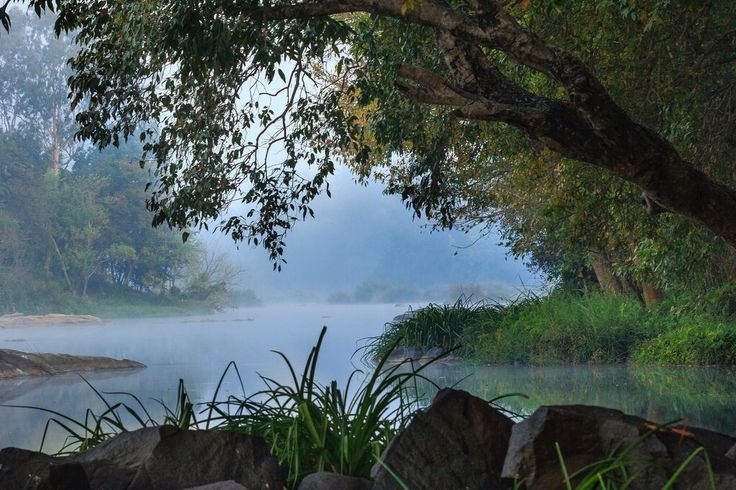
~ Debashri Mandal The Kadamba dynasty is considered to be the first indigenous ruling house of Karnataka, rising in the 4th century CE, to have established a powerful kingdom in the northwestern region of Karnataka. Mayurasharma (also called Mayuravarma), a Brahman from Talagunda in the modern Shivamogga district, was the founder of the Kadamba Dynasty. […]Read More
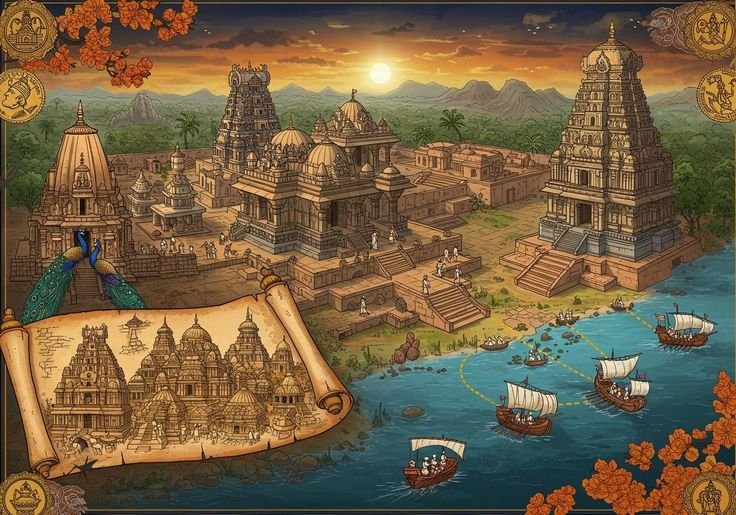
Tags : karnataka
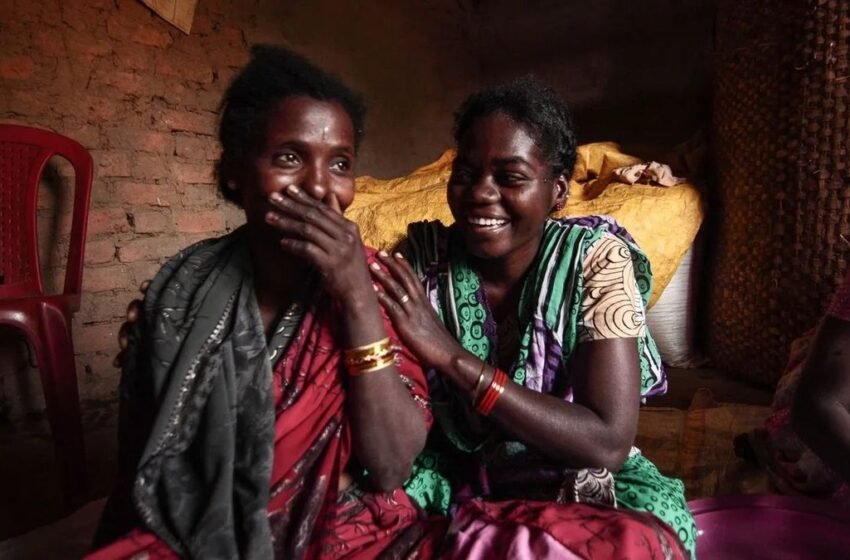
-Oishee Bose Beginnings that resist neat origins The history of the Siddis does not begin at a single point, nor does it move in a straight line. It arrives in fragments, through remembered journeys across the sea, through ritual lineages tied to shrines, through occupations repeated across generations, and through silences in official archives. For […]Read More
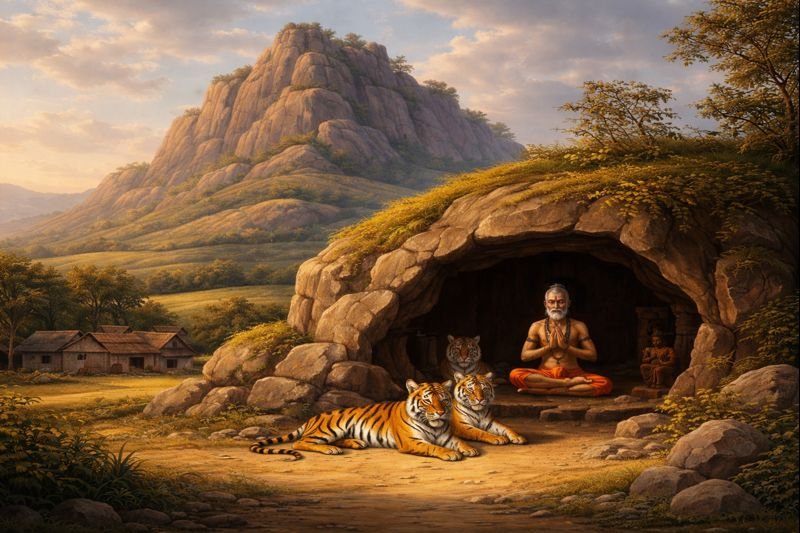
~ Debashri Mandal Also known as Kaiwara Thathaiah, Kaivara Narayana Tatayya, or Sri Yogi Narayana Yatindra, “Yogi Narayana of Kaiwara” was considered to be a renowned 18th– to 19th-century saint, poet, and mystic born in 1726 AD in the village of Kaiwara (then in Kolar, now Chikkaballapur district) to Kondappa and Muddamma, in Karnataka. Earlier, […]Read More
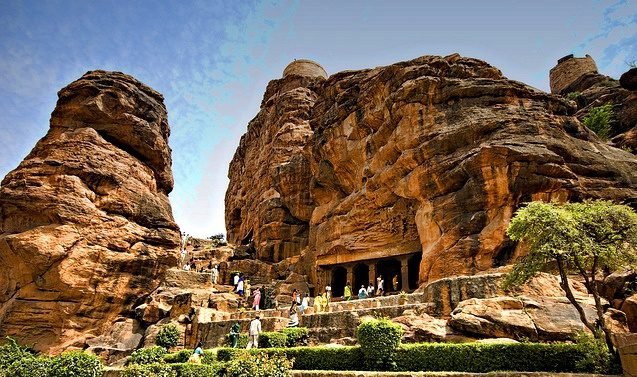
The Badami cave temples, located in Badami, Karnataka, are an exceptional architectural marvel representing a blend of Buddhist, Hindu, and Jain religious traditions. These temples, carved into the hillsides of Badami, stand as early examples of rock-cut architecture in India. Built between the 6th and 8th centuries, the Badami caves have become one of the […]Read More
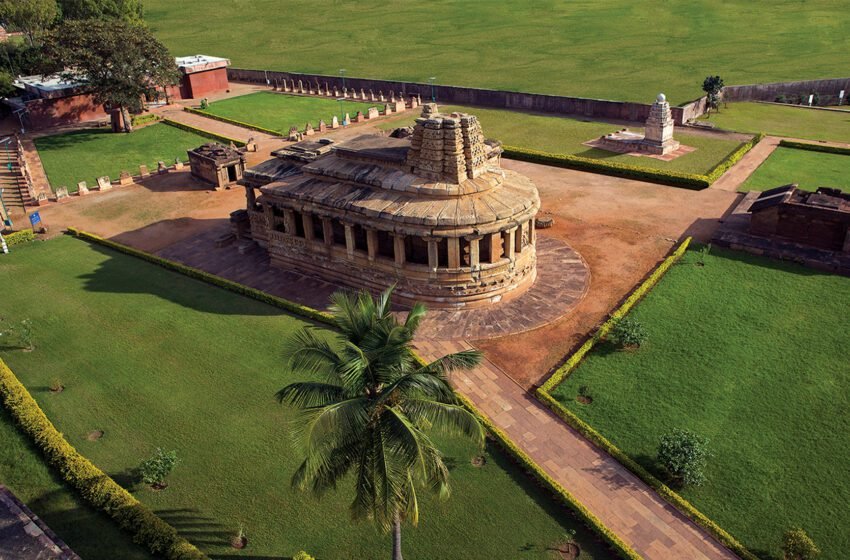
Aihole (also known as Aivalli, Ahivolal, or Aryapura) is a remarkable historical site located in the Bagalkote district of Karnataka, India. It is renowned for its rich collection of ancient and medieval Buddhist, Hindu, and Jain monuments that span from the 6th to the 12th centuries CE. The site is a testament to the artistic […]Read More
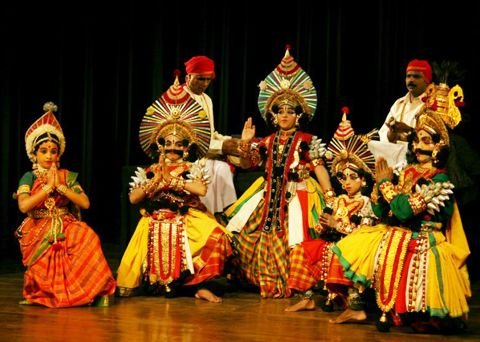
Yakshagana, a traditional theatre form from Karnataka, is an intricate blend of dance, music, storytelling, and performance art. Rooted in the Bhakti movement, it evolved between the 11th and 16th centuries, flourishing as a unique cultural expression in Dakshina Kannada, Udupi, Uttara Kannada, Shimoga, Chikmagalur, and the Kasaragod district of Kerala. Often referred to simply […]Read More
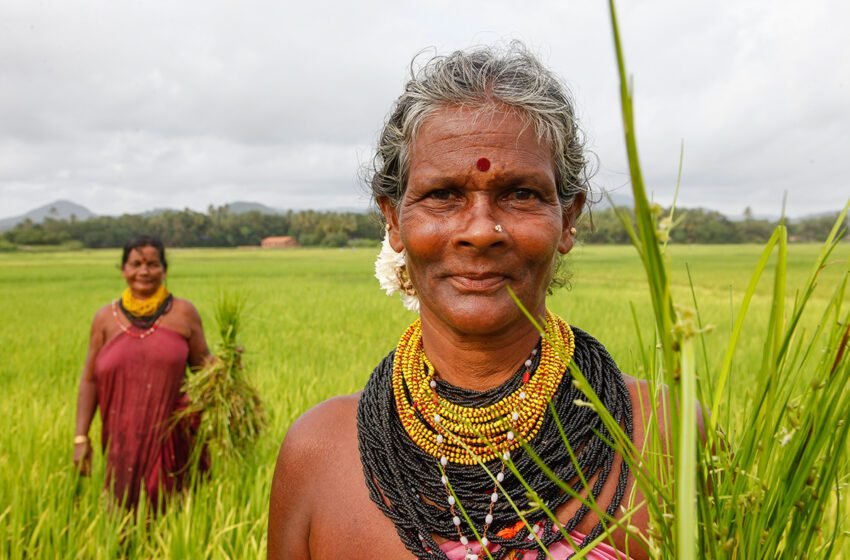
Originally residing in the present day Karnataka, the Halakki tribe is famous for its rich artistic life, which reflects the values of Indian civilization and the people’s unity with agriculture and worship. Being at the core of their ethnographic experience, the Halakki character can be defined in terms of the Halakki songs which has given […]Read More
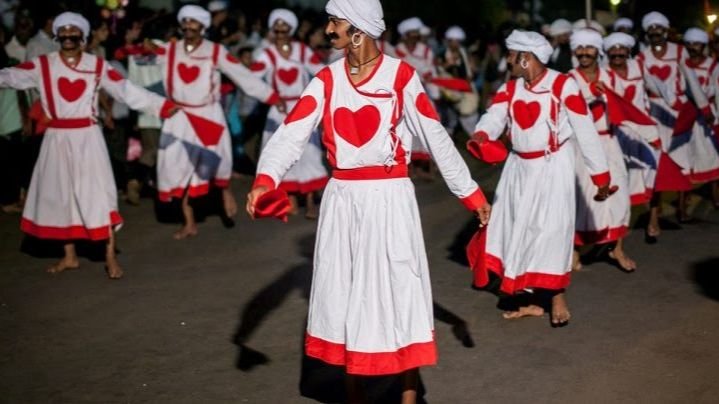
The Dhangar Dance: A Celebration of Pastoral Life and Devotion
Goa, known for its picturesque beaches, vibrant culture, and diverse traditions, is not only a tourist’s paradise but also a rich repository of folk art forms. Among these, the Dhangar Dance, or Dhangari Gaja Dance, stands out as a significant cultural expression. Rooted in the traditions of the Dhangar shepherd community, this dance form reflects […]Read More
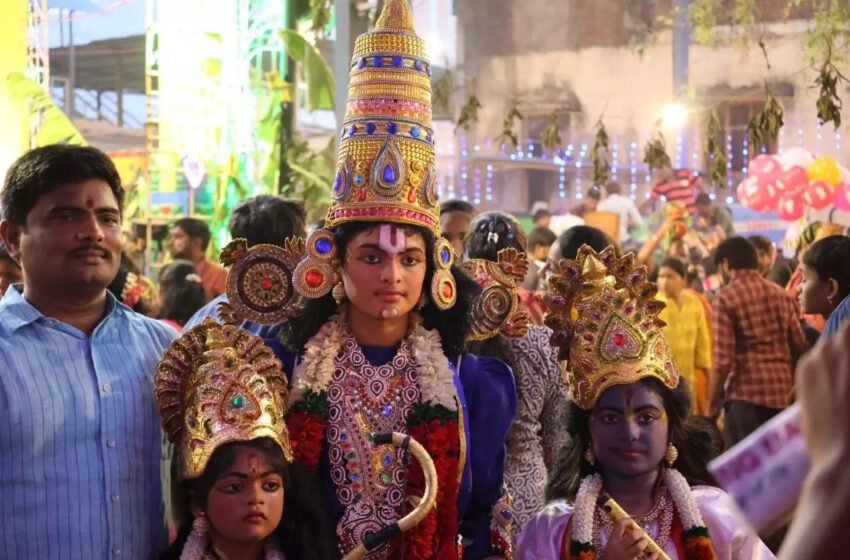
If you come from the southern region of India, you might have heard about The Gangamma Jatara, it’s a celebration of the most colourful festival ever celebrated especially in the southern region. We could see it in the states such as Andhra Pradesh, Karnataka, and Telangana. This celebration has been dedicated to the goddess Gangamma […]Read More
The Cauvery River is one of South India’s most important rivers, playing a lifeline to millions of inhabitants in Karnataka, Tamil Nadu, Kerala, and Puducherry. Greatly known for agricultural activity and cultural importance, the river Cauvery supports paddy fields, various industries, and hydropower projects. However, the Cauvery is also associated with interstate water disputes, particularly […]Read More