Purna Kumbha literally translates into a full pot or a full pitcher. It is a brass pot or vessel filled with water, who’s mouth is decorated with mango leaves, coconut and flower offerings, and the body of the vessel sometimes has a metal carving of a goddess’s face or the symbol of the sun god […]Read More
Tags : INDIA
Shrivatsa or Srivatsa is a Sanskrit word that means the beloved of Sri. It a triangular shape mark that is said to appear on the right side of Vishnu’s chest—one of the major Hindu deities and one of the three creator deity. The triangular mark, depicted as a looped knot or a set of interlocking […]Read More
Exploring the Ancient Strategy Game: A Deep Dive into Ashtapada
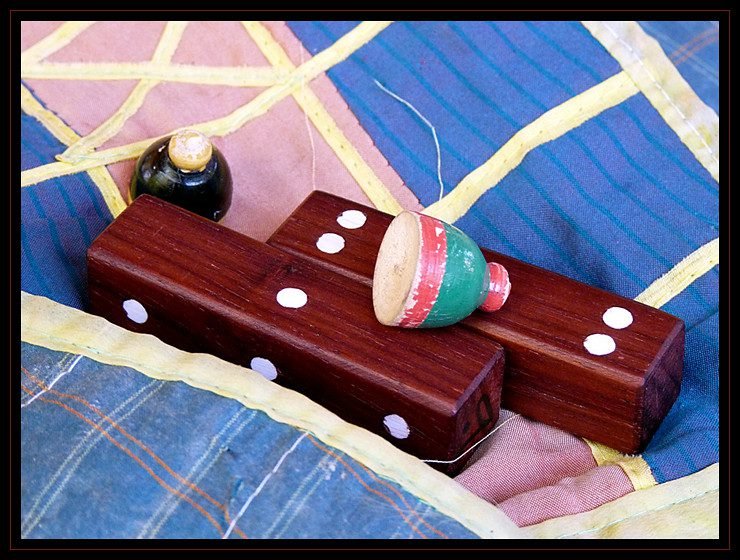
Ashtāpada, refers to the game’s 8×8 chekered-board. Patanjali mentioned this interpretation in a Mahābhāshya text from the second century. Literally translating, Ashtapada translates to “eight-legged” in Sanskrit. The Sutrakrilānga, an early Brahman book, explicitly denounced the game. The Vinayapitaka, a canonical Buddhist literature from the fourth or third century BC that introduces the Buddha’s Dialogues, […]Read More
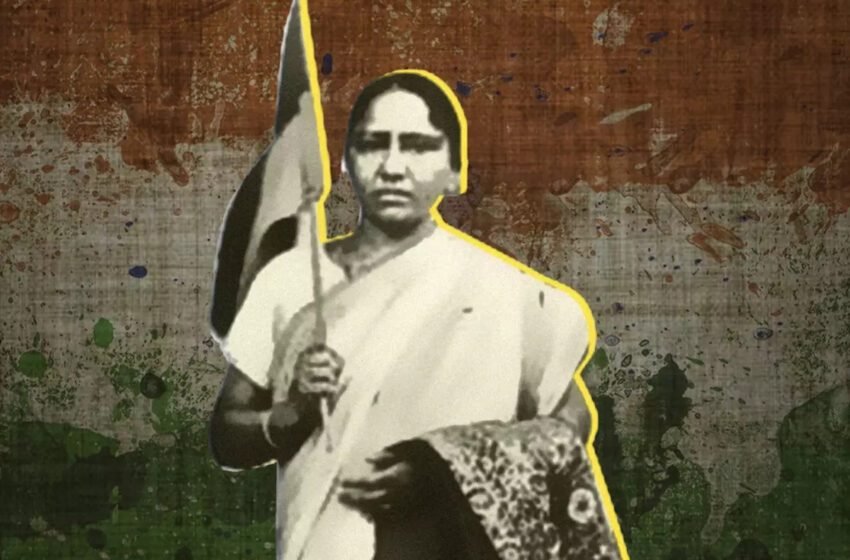
Dr. Muthulakshmi Reddy: Abolition of Devadasi System and Social Reformations
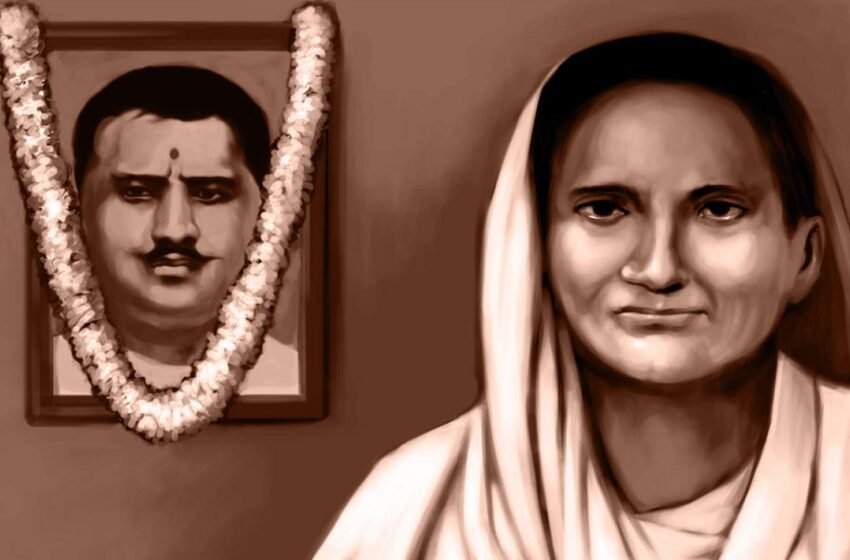
People these days, especially Women are still fighting for their complete independency in this world. Still in so many Indian houses, women are struggling for their independence. May be not like the past ones, but in different ways and form. In today’s world if a woman suffers and if she raised her voice against someone, […]Read More
The Umarkot Shiv Mandir, also known as Amarkot Shiv Mandir, stands as an ancient Hindu temple in the Umerkot District of Sindh. Thousands of years ago, a humble cowherd noticed something peculiar. One of his cows consistently left the herd to offer milk to a mysterious object—a Shiv Lingam. Intrigued, the man investigated and discovered […]Read More
Across the world the Conch is popularly known as the sea snail. In India, especially in Hinduism the Conch holds a place of significance in the ancient sacred text as well as in the religious practices. The Conch as the Sanskrit word Shanka first finds its mention around 1000 BCE in the ancient Vedic text […]Read More
Unveiling the Mystique: Exploring the Rich Heritage of Bargabhima Mandir
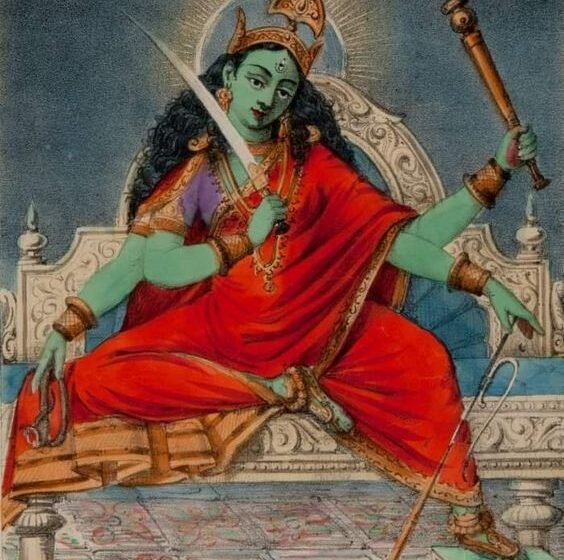
Unveiling the Sacred Splendor: Exploring Bargabhima Temple in West Bengal. Bargabhima Temple, nestled in the serene environs of Tamluk in the Purba Medinipur district of West Bengal, stands as a venerable monument to Hindu devotion and cultural heritage. This ancient temple, dedicated to the worship of the formidable Goddess Kali, holds a special place in […]Read More
Exploring the Rich Heritage of Islamic Perfumery: A Journey Through
In the intricate tapestry of human history, few elements weave together culture, spirituality, and innovation as seamlessly as the tradition of perfumery in Islamic civilization. From the bustling markets of medieval Baghdad to the serene gardens of Al-Andalus, the aroma of exotic fragrances has permeated every facet of life, leaving an indelible mark on society […]Read More
Sacred serenity : A journey through the Hinglaj Mata Temple
The Hinglaj Mata Mandir, nestled amidst the rugged terrain of Balochistan, Pakistan, stands as a testament to devotion and ancient traditions. Let us explore this revered temple, Hinglaj Mata Mandir, also known as Hinglaj Devi, Hingula Devi, and Nani Mandir, is a Hindu temple dedicated to Hinglaj Mata, an aspect of goddess Durga. Located in […]Read More
The Trishul, or the trident derives its name from the Sanskrit word Trishula wherein, tri means three and shula means a sharp iron stake. The Trishul is an important symbol in Hinduism. In most of the Hindu iconography and mythology, the Trishul is often associated with Lord Shiva, one of the principal deities in Hinduism. […]Read More