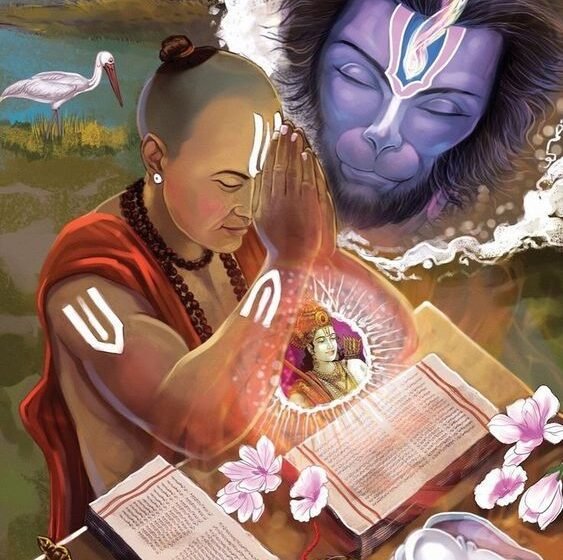
In the mystic realms of ancient Vedic India, a luminary figure graced the tapestry of philosophical wisdom—Lopamudra, also known as Kaveri, Kaushitaki, and Varaprada. She transcended the conventional roles of her time, not merely as the revered consort of the sage Agastya, but as a formidable philosopher in her own right. The echoes of her […]Read More
Harsha, the illustrious king of the Pushyabhuti dynasty, stands as a monumental figure etched in the annals of Indian history. Born in 590 CE in the formidable kingdom of Sthanvishvara, which would later become Thanesar, Haryana, Harsha ascended to the throne in 606 CE. His reign, spanning from northern to northwestern India, saw the zenith […]Read More
Vishakhadatta: Unraveling the Enigma of an Ancient Sanskrit Playwright
Vishakhadatta, an illustrious figure in the tapestry of ancient Indian literature, remains shrouded in mystery, with only faint glimpses of his life found in the verses of his surviving works, Mudrārākṣasa and Devichandraguptam. Despite the scarcity of biographical details, scholars have attempted to place him in the chronicles of Indian history, sparking debates about his […]Read More
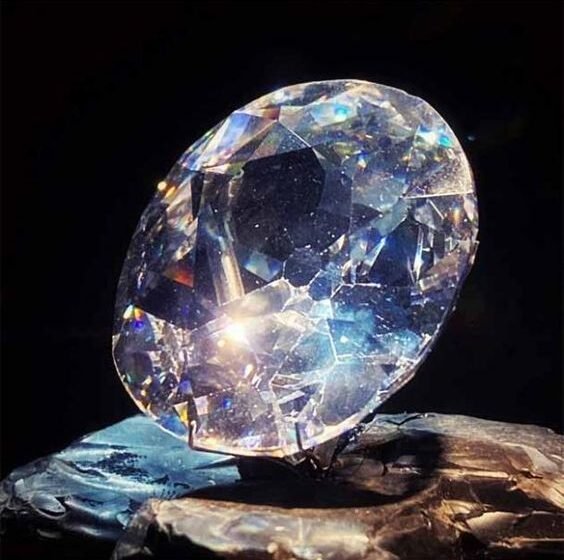
The Mughal Empire has produced unparalleled artistic pieces of art, jewellery, architecture and most of all the royal seats of their Empire’s rulers. Studded with opulent gemstones and rare metals with intricate designs, their thrones were not just mere seats for their grand Emperors – they were symbols of power and the glory for this […]Read More
Thiruvalluvar’s Thirukkural: A Timeless Odyssey of Wisdom and Enlightenment
“Akara Mudhala Ezhuththellaam Aadhi Bagavan Mudhatre Ulagu” Translation: As the letter A is the first of all letters, so the eternal God is first in the world. This timeless couplet, or ‘Kural,’ resonates widely in Tamil Nadu, finding its way into school textbooks and government buses alike. Embraced by the Tamil people, irrespective of […]Read More
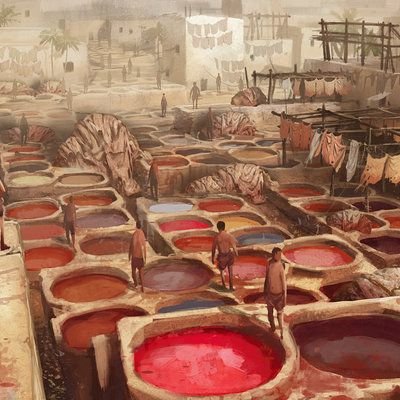
The story of the jackal that jumped into the vat of blue dye is not new to us. Nor is the tale of the crocodile trying to trick a monkey into wilfully surrendering itself as prey. These are the famous Panchatantra tales, an integral part of any Indian’s childhood. While these stories are meticulously crafted […]Read More
In the rich tapestry of Indian history, The Gupta Dynasty, spanning from the 4th to 6th century CE, stands as a golden age of cultural and political flourishing. Renowned for advancements in astronomy, metallurgy, mathematics and literature, the Guptas fostered monumental achievements celebrated by all Indians till this day. Historians regard the Gupta period as […]Read More
Whispers Across Centuries: Bilhana’s Inked Echoes and the Timeless Symphony
In the intricate tapestry of classical Indian literature, one name stands out as a luminary of the 11th century, casting an enduring shadow across the sands of time—Bilhana. Born in the breathtaking landscapes of Kashmir, this poetic virtuoso transcended the boundaries of his era to become a maestro whose verses still resonate with the essence […]Read More
Decoding Bharavi’s Literary Heritage: Unveiling the Epic Odyssey of an
Bharavi, who thrived in the 6th century AD, was a Sanskrit poet renowned for creating the epic “Kiratarjuniya” (”Arjuna and the Mountain Man”). This classical Sanskrit epic falls under the category of mahakavya, or “great poem.” Marked by its elevated expression and intricate style, Bharavi’s poetry possibly left an imprint on the work of the […]Read More
Shudraka, an enigmatic figure in the realm of classical Sanskrit literature, occupies a distinctive place in the historical and literary landscape of ancient India. Believed to have lived during the early centuries of the Common Era, Shudraka is primarily known for his celebrated work, the “Mrichchhakatika,” which translates to “The Little Clay Cart.” This timeless […]Read More