A CANVAS OF EMOTIONS: SUJINI EMBROIDERY

-Neha Garg
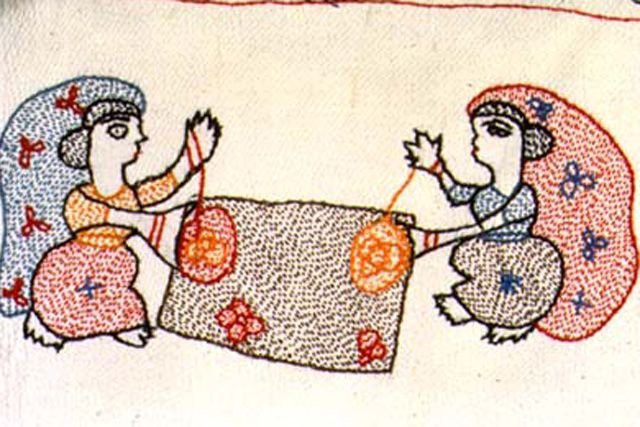
Sujini embroidery is a work from Bihar. It is an expressive product of art in textile. It is given protection under the GI registration act. Usually it is quilt or bed spread. It is usually made of old clothes but now generally it is made of easily available fabric. Embroidery is done with the most simple stitches. The motifs narrate the stories from past. The embroidery is very similar to kantha. Running stitch are always made in Sujini stitches. Very few people in Bihar practice Sujini embroidery. A story is narrated by locals through embroidery. For example they stitch a saree filled with the motifs of Chaath festival.
It is indeed a unique and traditional craft from Bihar. The history of Sujini embroidery is rich and it is the integral part of the cultural heritage of the region. It is been there from centuries. The thing which makes it notable is that it is only practiced by women of Bihar. They are the custodians of this art. They have passed their skills from generation to generation. Bihar women has played a crucial role in preserving and promoting Sujini embroidery work of Bihar . It ensures that it continues in today’s modern era.
It is holding significant cultural and artistic value for the people of Bihar. It is not only serves as a means of livelihood for artisans. But it represents a connection to their heritage and tradition. It is gaining recognition for its aesthetic appeal. It has found its way into various markets and exhibitions. It is spread both nationally and internationally.
Sujini embroidery work of Bihar is part of heritage and tradition so efforts are made to preserve and promote it. Government, artisans and craft organizations are working to provide support, training and opportunities to the skilled women and artisans involved in this craft. This will eventually help in sustaining their livelihoods and it will ensure that Sujini embroider work of Bihar continues as a living form of art. It is exclusively made by women in Sharfuddinpur village. Sujini embroidery work of Bihar is renowned for its intricate embroidery and vibrant colors. The intricate embroidery and vibrant colors celebrates Indian craftsmanship and tradition. Each piece is a testament of skill and dedication of the artisans. These pieces are meticulously crafted. It often takes months to craft them. Sujini embroidery work of Bihar symbolises essence of womanhood beyond its aesthetic appeal. Sujini embroidery is a reflection of identity and tradition which embodies strength, resilience and inherent beauty in every women.
The beauty of Sujini embroidery work of Bihar lies in its aesthetic appeal. It is technically done by straight running stitch embroidery on layered cotton. It has its origin dated back to 18th century. It is originated from Bhasura village of Bihar. It depicts the animals, birds and day to day activities of village life. It is created exclusively now by the women of Muzzafarpur and Madhubani villages.
We can see a canvas of emotions because each stitch of this Sujini saree whispers stories from Bihar. These Sujini embroidery pieces are handcrafted with patience and poetry. It is identity and tradition of women of Bihar. It is not just art but a heritage and tradition passed down through generations. Motifs of Sujini embroidery are typically outlined in black or brown thread and they are filled with vibrant colors.
Today this cultural heritage of craft is applied to sarees,dupatthas, kurtas and home decor items.
The word su means easy and facilitating and jani means “birth” . Motifs of Sujini embroidery were sewn on the quilt which expressed the desire of a mother for her new born child. The process often involved the use of three or four patches of old sarees one over the other. Its basic purpose was to give a soft cober to the newly born babies.
The identity and tradition of technique is based on an ancient belief of presence of a deity known as “Chitriya Ma, the lady of tatters. Symbolizing the concept of unifying incongruous element of holistic value to a unified whole.
Motif of Sujini embroidery represents sun, cloud, life giving forces and feritlity gods. Different shades of thread was used to symbolize forces such as red, symbolic of blood and yellow which is symbolic of sun.
This pattern of Sujini embroidery work of Bihar also became extinct, till it was revived in 1988. It was an initiative taken by Nirmala Devi of Mahila Vikas Sahyog Samiti. It is an autonomous society located in the village of Bhusra near Muzzafarpur. Now there are 600 women of 22 villages who are actively pursuing craft work.
The feelings of agony and ambition of women in a man’s world is often represented in this embroidery. One of the motif of Sujini embroidery was the form of violent behaviour of drunk men towards their wife. They often depicted the act of dowry seeking groom during marriage. The motif of Sujini embroidery also depicted women in viel and village men gathering at a village meeting.
Sujini embroidery work of Bihar is a simple yet time consuming technique which requires patience and collaboration for larger pieces of bed sheets and curtains.
Sujini has now become more of a vocation than a leisure time work telling the story of medium of craft. Artisans are working on it when the order comes in . Now it has become the medium of earning money. Flexible working hours has attracted women to work in Sujini. Sujini is also known as a colourful needlework.
FAQs
Q1) What makes Sujini unique compared to other embroideries?
Sujini’s narrative nature makes it uniques as compared to other works of art. This embroidery focuses on geometric and floral patterns.
Themes – It often depicts social issues like domestic violence, female infanticide and dowry system.
Symbolism- traditional motifs of life giving forces like Sun and clouds are made. It also have symbols of fertility which are meant to protect the infant.
Q2) Does Sujini have a GI tag?
Yes, Sujini have a GI tag. It was granted Geographical Identification tag in 2006.
Q3) What are the materials used in Sujini embroidery?
Basic fabric like layered cotton and modern versions of high quality cotton and Tussar silk is used. Primarily cotton or silk threads are used. In ancient times red and yellow colors are used which symbolized blood and sun. But now a spectrum of vibrant colors is used.