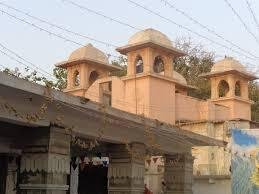
The Katas Raj Temples, also known as Qila Katas, form a complex of several Hindu temples intricately connected by walkways. Nestled in the Potohar Plateau region, these temples encircle a sacred pond named Katas. Here, the echoes of centuries blend with the rustle of leaves, inviting pilgrims and wanderers alike. The temples’ origins stretch back […]Read More
Sacred serenity : A journey through the Hinglaj Mata Temple
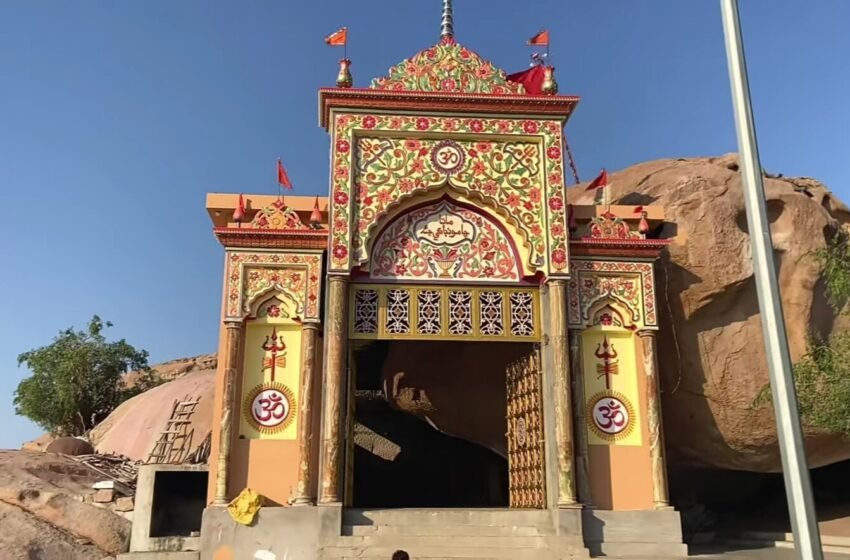
The Hinglaj Mata Mandir, nestled amidst the rugged terrain of Balochistan, Pakistan, stands as a testament to devotion and ancient traditions. Let us explore this revered temple, Hinglaj Mata Mandir, also known as Hinglaj Devi, Hingula Devi, and Nani Mandir, is a Hindu temple dedicated to Hinglaj Mata, an aspect of goddess Durga. Located in […]Read More
Unraveling the Mysteries of Chaturanga: Exploring Ancient Indian Board Games
Imagine you’re 11 years old and its summer vacation time. Everyone is sitting at home, sipping some cold drinks and ice popsicles. Suddenly someone says “Let’s play a game”. The ‘cool’ kids would be playing Monopoly, Business, Uno, while the normal ones like you and me are playing Ludo, praying to God that may you […]Read More
Aromatic Echoes: Classical Perfumery of Greece and Rome
The art of perfumery originated in the ancient land of Egypt and found its way into the hearts and homes of the Greeks and Romans, shaping their rituals, ceremonies, and social customs. Drawing inspiration from the rich traditions of Egypt, the Greeks and Romans embraced perfume with intense fervor. Scent became an integral part of […]Read More
Fragrant Legacies: Uncovering the Ancient Art of Perfumery
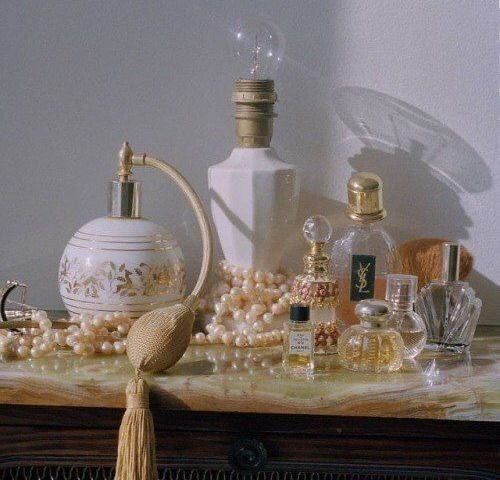
Perfumery, an art as old as civilization itself, has woven an intricate tapestry of cultural, religious, and medicinal significance across the tides of time. From the sun-drenched plains of ancient Mesopotamia to the enigmatic temples of Egypt and the bustling streets of the Indus Valley Civilization, the story of perfumery unfolds as a captivating journey […]Read More
The Trishul, or the trident derives its name from the Sanskrit word Trishula wherein, tri means three and shula means a sharp iron stake. The Trishul is an important symbol in Hinduism. In most of the Hindu iconography and mythology, the Trishul is often associated with Lord Shiva, one of the principal deities in Hinduism. […]Read More
Yantras are a form of geometric diagrams widely used in Tantric tradition and religious practices in India. The Yantras are used during the worship of deities in order to bring in the qualities of meditation to the worship. In Hinduism, the Yantras, especially the Shri Yantra Chakra is one of the most auspicious symbols. Worn […]Read More
Savitribai Phule: Introduction to Feminism, Women Education and Reformations
What is feminism? To give equality for Women like the rights given to a Man. Women are not physically strong as men, but she has the best mental power that shows her she is as strong as men. Comparing to this modern era, Women also shows their equality in physical strength along with a man. […]Read More
Vamachara translates to “left path” or “left-handed attainment.” It is a spiritual activity or manner of worship that is both radical and disrespectful to Vedic tradition. The techniques are mostly tantric in nature. Vamachara is one of the techniques recommended by Tantra to raise the Kundalini. Since Kundalini is the seat of the mortal man’s […]Read More
The Lotus flower also known as the sacred lotus is an aquatic plant species that grows in murky, dirty conditions. Despite of being rooted in the mud, it petals bloom stainless and often this quality of the flower is associated with the aspect of purity. Furthermore, the flower’s act of blooming at dawn and closing […]Read More