
-Trushti Dand Origins and Early Recruitment (1814–1857) The Gorkha Regiments trace their origins to the Anglo-Nepalese War of 1814–1816, which ended with the signing of the Treaty of Sugauli. Although the British East India Company emerged victorious, Read More

-Arushi Kastwar As the sun went down on the British Empire in 1947 and India awakened to independence, it did not inherit only freedom but also the intricate machinery of a colonial army. Among the deepest Read More

~Anushka Sengupta India’s naval force is part of the Indian Armed Forces competing with other two major defense forces of the country and operates by the motto “Sham No Varunah” meaning “May the lord Read More

-Arushi Kastwar In the rolls of Indian history, there are names that linger not because they abided by societal norms but because they so radically challenged them. Cornelia Sorabji is one of those names — a Read More

Indian literature does not have the past as a foreign land; instead, it exists within the very intimate confines of the present, influencing identities, narratives, and geography. Memory, from classical epics to modern novels, does Read More

In a nation such as India, where narrative is old, complicated, and organically connected with oral traditions, mythologies, and a prolonged written past, writing is never innocent. Writing is always weighed down by an obligation Read More
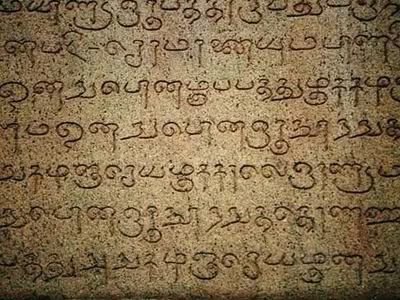
In the silent unfolding of history, letters have sometimes cried out more audibly than declarations. Intimate, confessional, persuasive, or poetic, the epistolary form has long been a living thread in the tapestry of Indian life—Read More

-Arushi Kastwar Sir Chettur Sankaran Nair CIE was not only a giant legal mind but also an unflinching statesman who contributed substantially to India’s constitutional and political growth in the early 20th century. His Read More

“Sarfaroshi ki tamanna ab hamare dil mein hai, dekhna hai zor kitna baazu-e-qatil mein hai.” These famous words by Ram Prasad Bismil have resonated over generations, capturing the spirit of revolution for a people aspiring Read More
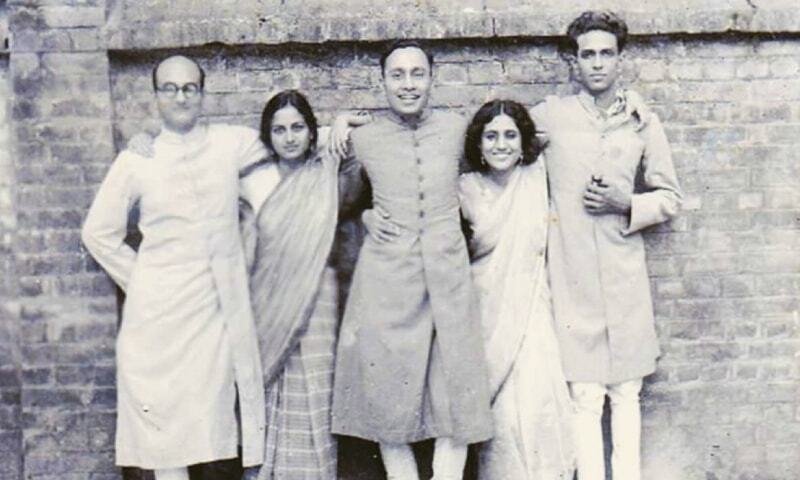
During periods of political turmoil, literature becomes a weapon of protest. Nowhere is this clearer than in the Progressive Writers’ Movement (PWM) of India, a literary movement that started in the 1930s. Spurred by Marxist Read More