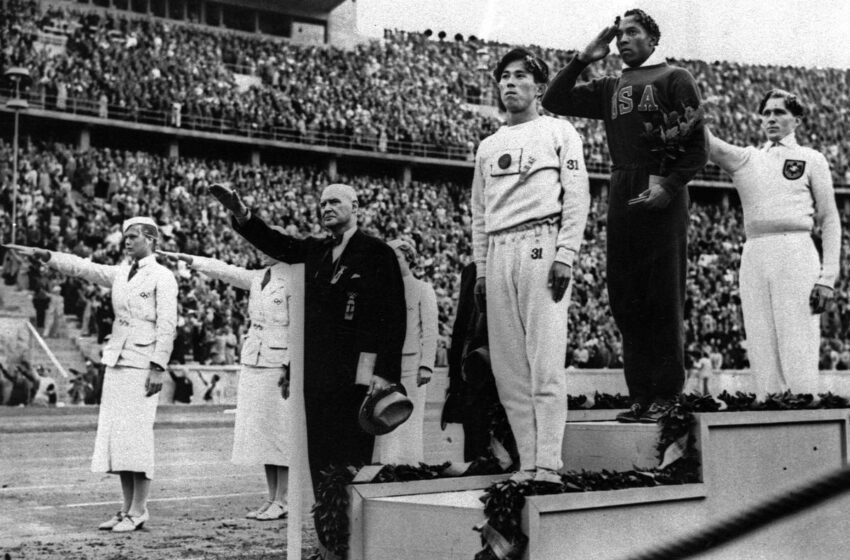
-Vani Mishra The Olympic Games are usually characterized as a celebration of human spirit, athletic talent, and international unity. They are supposed to rise above political conflicts and cultural divisions, at least on an ideal Read More
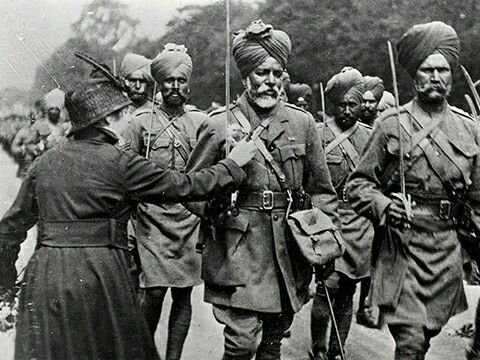
– Vani Mishra History tends to best illuminate emperors, generals, and treaties while relegating the hundreds of thousands of plain men who carried the burden of empires to relative darkness. Among the twentieth century’s big Read More
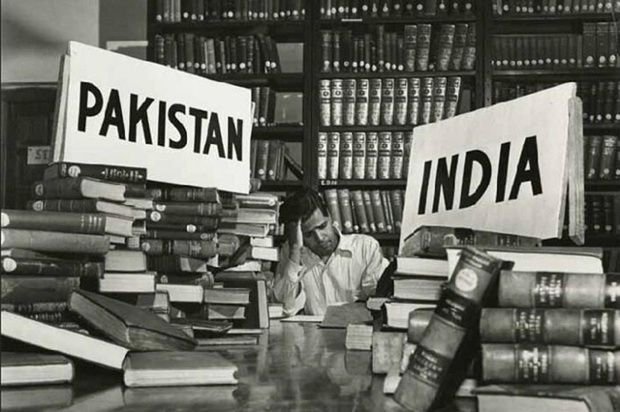
-Vani Mishra When Partition occurred in 1947, the human cost was tremendous. Millions were displaced, families separated, and whole cities rewired overnight by borders slicing through soil and memory both. Amidst this vast disruption, another lesser-known Read More
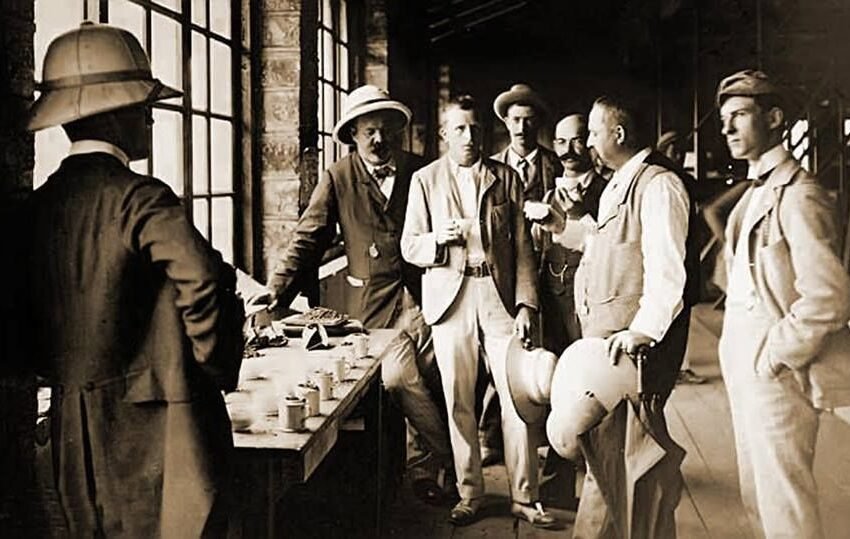
-Vani Mishra There are times in history when the plainest objects bear within them the burden of empires. Tea, that unassuming brew of leaves and water, was one such force. For Britain, it was not Read More
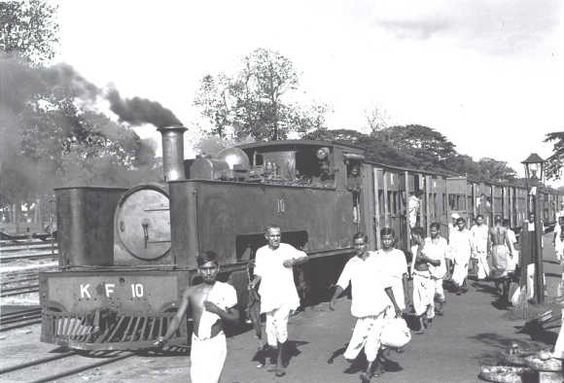
~Vani Mishra To write about India without writing about its railways is simply not possible. The sweet rumble of the train, the iron rails unrolling into the distance, and the crowded platforms thronged with tea Read More
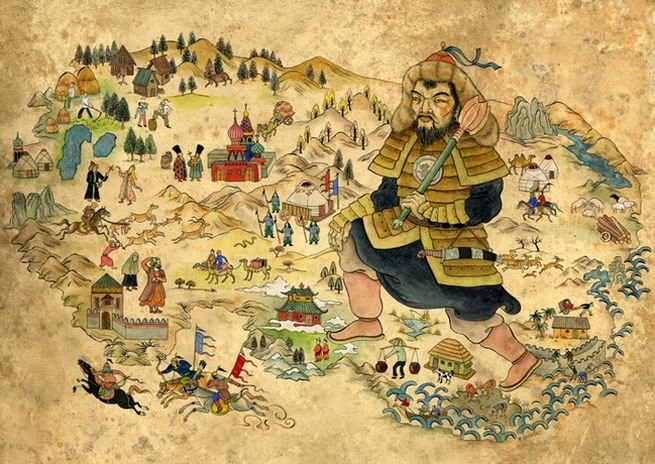
– Bhoomee Vats India is known for its rich culture and heritage, especially its art, which is rooted in spirituality, mythology, and the country’s history. But it was not until after the modern era that Read More

-Vani Mishra India is remembered for the two million soldiers who joined the colonial Indian Army, but the country’s history is far richer. About diesel and electric submarines which were used in the second Read More
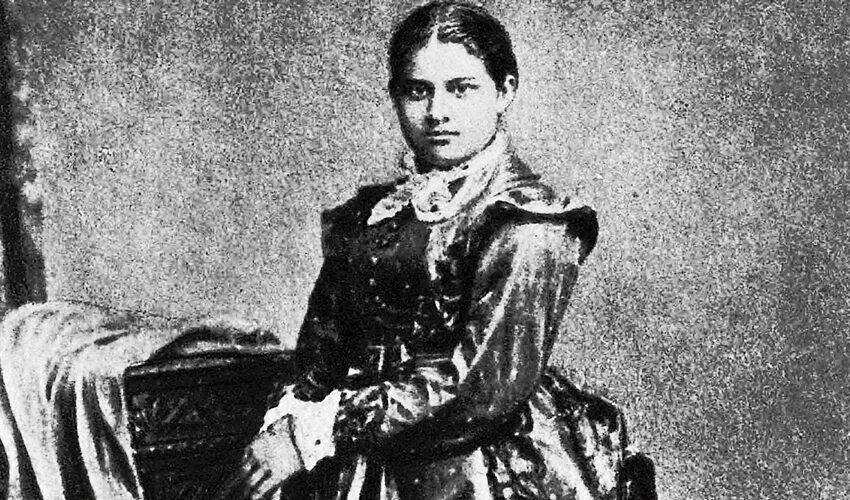
-Bhoomee Vats Even with a brief life, Toru Dutt left her mark on Indian literature and poetry. Born on 4th March, 1856, Toru was the youngest of the three siblings of the Rambagan, Calcutta Dutt family. Read More
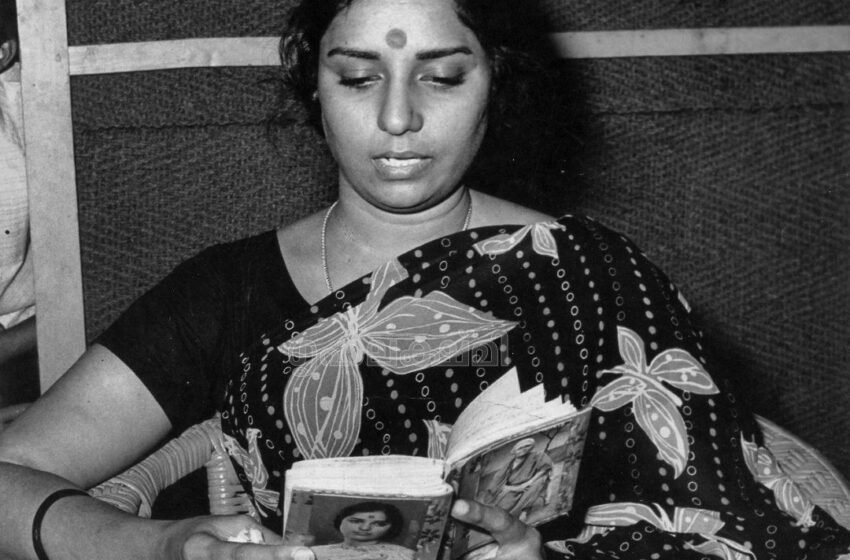
-Bhoomee Vats Edavalath Kakkat Janaki Ammal, also known as Janaki Ammal, was born on 4th November, 1897 in Thalassery, Kerala. With her master’s in Botany, Janaki became a name famous not just in India but Read More
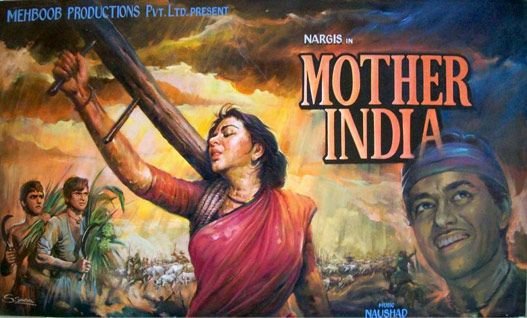
-Anushka Sengupta → Trace the portrayal of women through landmark films like Mother India, The Color Purple, Queen, and Everything Everywhere All at Once As both external and internal mirrors of society, cinema has consistently reflected Read More